Why More Colorado Homeowners Are Replacing Grass in 2026
Why More Colorado Homeowners Are Replacing Grass in 2026
Dead spots, muddy dog runs, high water bills, and constant upkeep are pushing a lot of homeowners to rethink the old-school lawn. Around Colorado, more people are trading problem grass for cleaner, lower-maintenance outdoor spaces that actually fit the way they live.
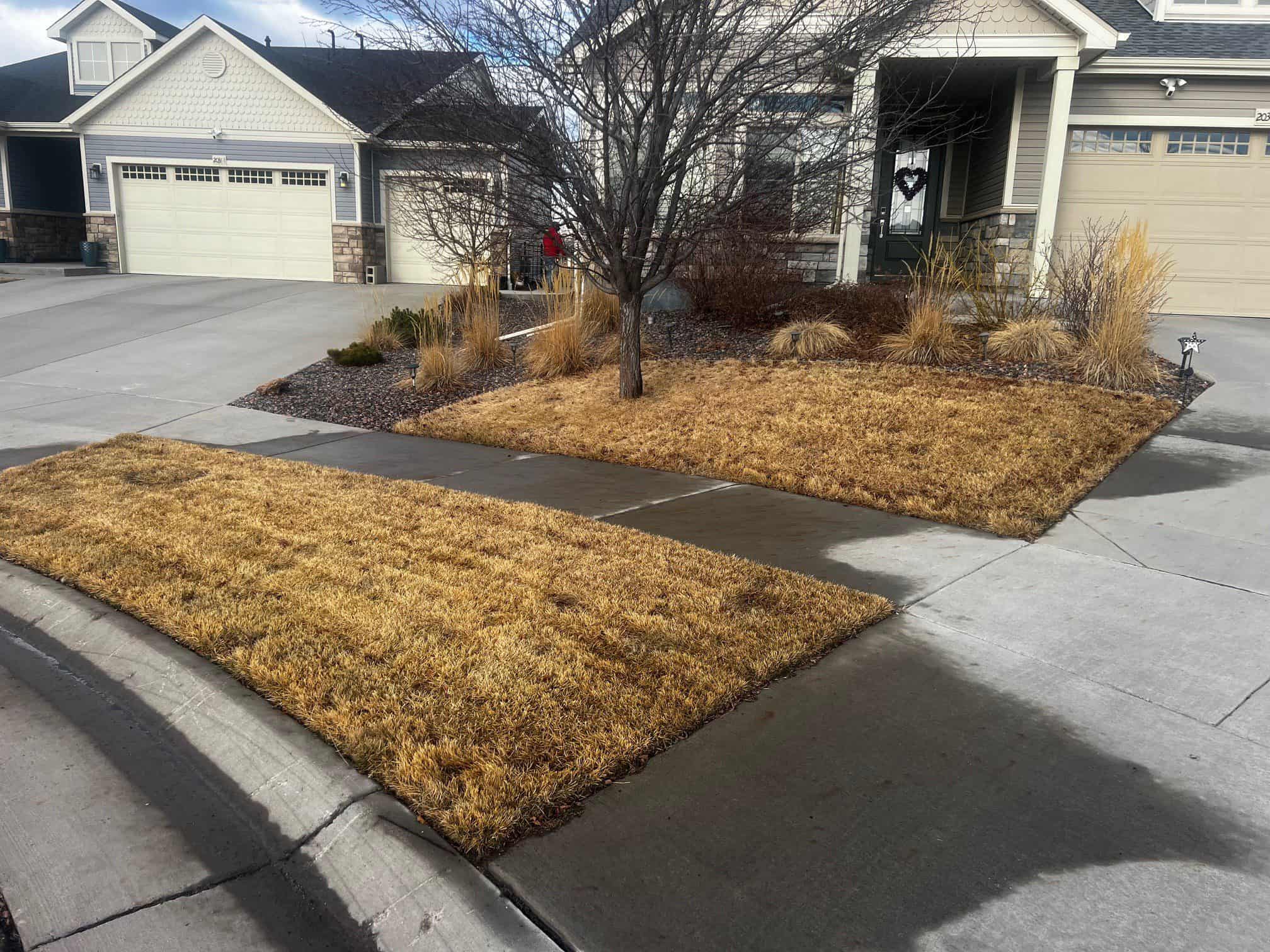
We hear it all the time. Homeowners are tired of putting money, time, and water into grass that still looks rough by mid-season. Between hot stretches, traffic from kids and dogs, patchy areas that never really recover, and the general headache of trying to keep everything green, the traditional lawn is not always the easy answer people think it is.
That does not mean every yard in Colorado needs to become artificial turf. It does mean more homeowners are taking a harder look at what actually works here. In many cases, the answer ends up being a mix of artificial turf, plantings, decorative rock, irrigation upgrades, and more thoughtful landscape construction that fits the property better than a big water-hungry lawn ever did.
If you have been staring at thin grass, bare spots, or a backyard that turns into a mess every time the dogs go out, this is probably the same conversation you are already having in your head.
Why So Many Colorado Lawns End Up Frustrating Homeowners
A lot of grass looks good in a photo or right after it gets watered. The problem is living with it over time. In Colorado, lawns deal with dry conditions, temperature swings, hard sun, traffic, pets, and irrigation issues that can make a yard feel like a never-ending project.
On top of that, a lot of homeowners simply do not want to spend their weekends chasing greener grass. They want a yard that looks sharp, feels clean, and does not demand constant babysitting.
Local and national water-efficiency resources have been pushing homeowners to think more carefully about outdoor water use and lower-water landscape choices for years. That is one reason you are seeing more attention on water-wise yards, Xeriscape principles, and smarter landscape design in Colorado. Denver Water, Aurora Water, Colorado State University Extension, and EPA WaterSense all have solid information on that topic.
What Homeowners Are Choosing Instead of Traditional Grass
The biggest shift we are seeing is not just “rip out the lawn and call it a day.” It is a lot more practical than that. Homeowners want outdoor spaces that solve real problems. They want yards that hold up, look finished, and do not feel like a burden.
In many cases, that means replacing all or part of the grass with one of these approaches:
1. Artificial Turf in the Right Areas
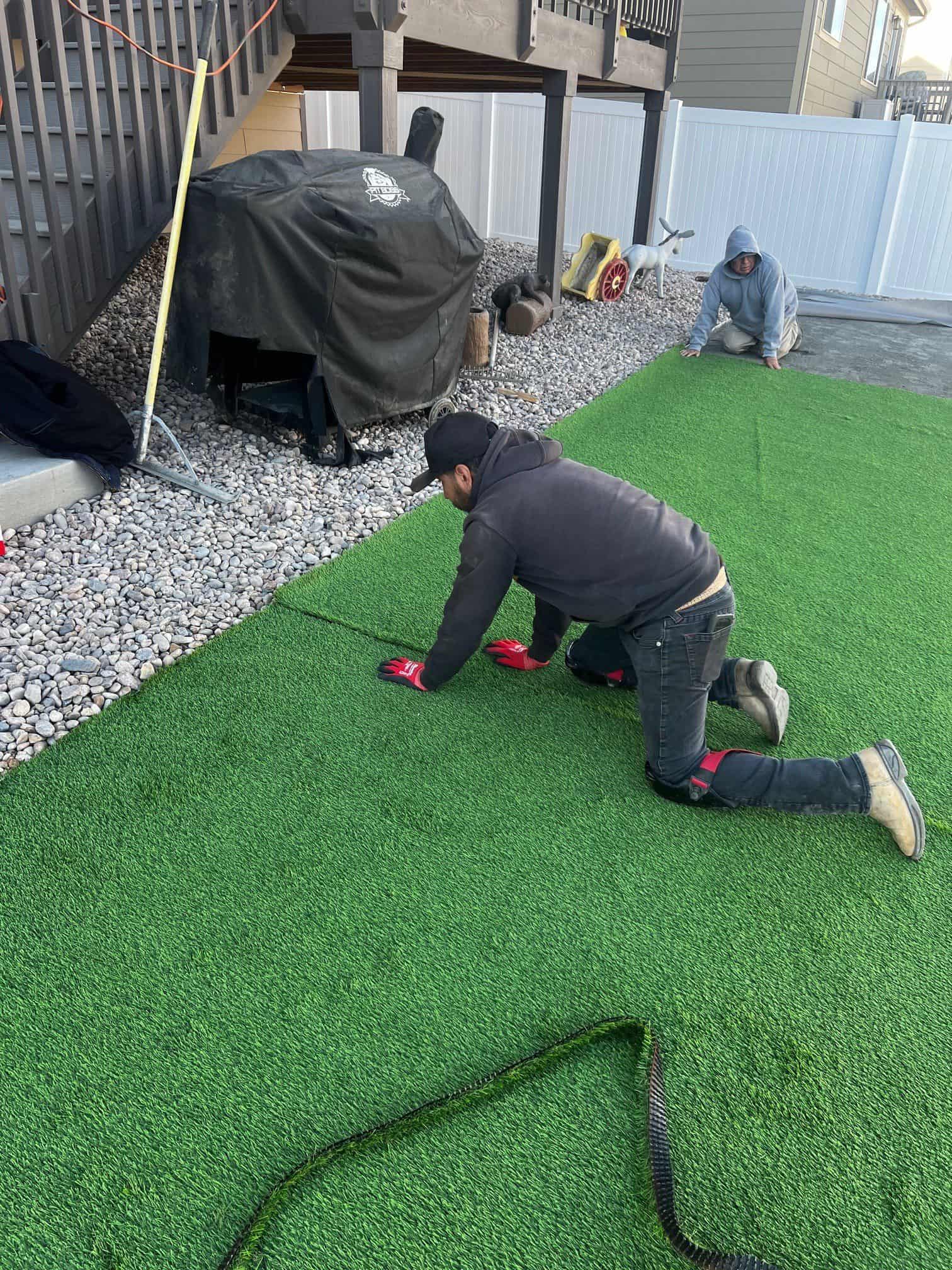
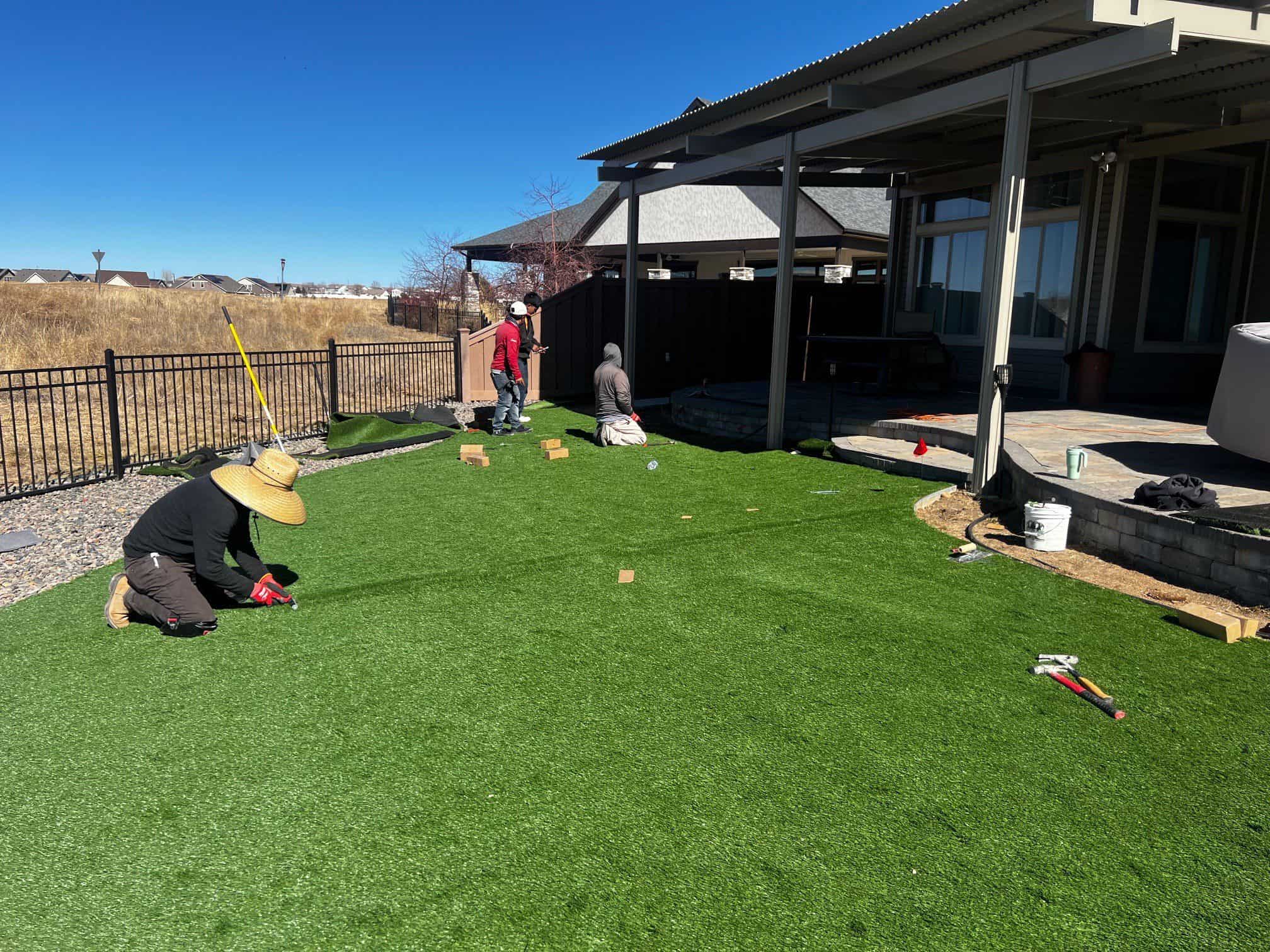
Turf makes a lot of sense where people want a clean, green look without the mud, mowing, worn traffic lanes, or dead spots. Front yards, side yards, pet runs, kid play areas, courtyards, narrow strips, and small backyards are all common spots where homeowners decide real grass is more trouble than it is worth.
If you are comparing options, our Colorado Artificial Turf Guide is a good place to start. It gives you a much better feel for which lawn styles fit which type of project.
2. ColoradoScape and Water-Wise Landscaping
Some homeowners want less grass, not necessarily no grass. That is where a smarter hybrid yard comes in. By combining turf, boulders, mulch, decorative rock, plantings, and efficient irrigation, you can create a yard that still feels lush and intentional without forcing traditional lawn into spaces where it struggles.
That is exactly why we build a lot of projects around ColoradoScape landscaping. A yard can still feel full, high-end, and inviting without being tied to the old “wall-to-wall grass” mindset.
3. Better Hardscape and Layout Decisions
Sometimes the real problem is not the grass itself. It is that the yard was never laid out very well to begin with. A larger patio, a cleaner walkway, a better pet area, a more usable side yard, or a stronger overall plan can remove the pressure to keep forcing lawn into every square foot of the property.
That is one reason more homeowners are putting money into full landscape construction instead of throwing more money at patch repairs and lawn fixes every season.
Turf for Clean, Finished Spaces
For many homeowners, the appeal is simple. Turf gives the yard a cleaner, more consistent look and cuts out a lot of the frustration that comes with trying to revive failing grass.
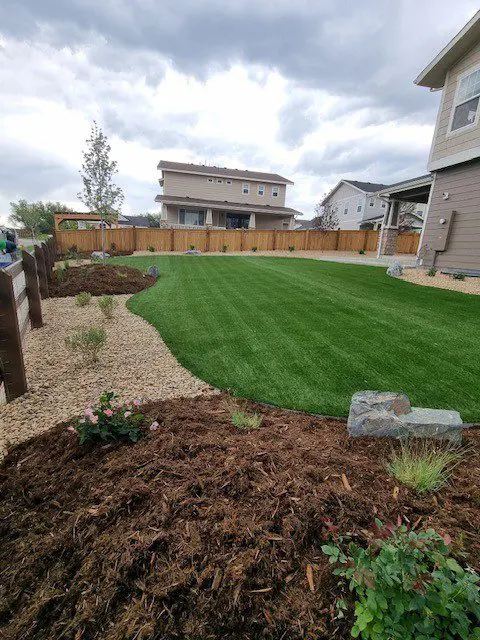
Hybrid Yards Are Getting More Popular
Colorado homeowners are leaning into a mix of turf, plantings, rock, and hardscape because it feels more realistic for the climate and the way people actually use their yards.
Why Artificial Turf Is Getting So Much Attention
A few years ago, a lot of people still pictured fake grass as something flat, shiny, and obviously artificial. That is not what most homeowners are looking at now. Better turf products have changed the conversation quite a bit, especially for people who care about curb appeal and want something that still feels natural in the landscape.
The other big difference is that homeowners are not just asking, “Does it look good?” They are asking, “Will this solve the problem I am dealing with right now?”
If the problem is muddy dogs, dead grass under play equipment, a front yard that always looks stressed, a narrow side yard that never fills in properly, or a backyard that gets pounded by traffic, turf starts to make a lot of sense.
Common reasons people move toward turf:
They are tired of bare spots. They are tired of dragging hoses around. They are tired of seeing their sprinkler system run and still feeling disappointed by the yard. They want something that looks finished more of the year and does not constantly need fixing.
For pet owners, that conversation gets even easier. Dog traffic is hard on natural grass, especially in smaller yards. A properly built pet-friendly turf area can make daily life a lot easier and cleaner. If that is your main issue, our artificial turf page is a good first stop before scheduling a consultation.
What About Water Savings?
This is one of the biggest drivers behind the change, but it is worth talking about honestly. In Colorado, outdoor water use is a real issue, and local water providers have spent years educating homeowners on lower-water landscape strategies, Xeriscape planning, and smarter irrigation. Denver Water, Aurora Water, and EPA WaterSense are all worth reading if you want the broader water-use side of the conversation.
At the same time, not every “water-saving lawn” conversation is as simple as swapping one grass type for another. Colorado State University Extension has pointed out that irrigation management plays a major role in water use, not just turf species alone. That is a good reminder that landscape planning matters. CSU Extension’s turf guidance is helpful on that front.
That is part of why homeowners are increasingly looking at the whole yard instead of only the lawn. When you rethink the layout, irrigation, plantings, and usable areas together, you usually end up with a better result.
The Real Conversation Is Usually Maintenance
Water is a big part of the decision, but for a lot of homeowners, maintenance is what finally pushes them over the edge. They are tired of mowing. Tired of edging. Tired of reseeding dead areas. Tired of trying to keep lawn alive in places where it clearly does not want to be.
That is especially true for people with busy schedules, families, pets, rentals, second homes, or larger properties where they want the front of the house to look sharp without constantly working on it.
The best yards usually are not the ones with the most grass. They are the ones that were planned well for the lot, the sun exposure, the traffic, and the way the homeowner actually lives.
Is Replacing Grass the Right Move for Every Yard?
No. And that is worth saying clearly.
There are still plenty of properties where natural grass makes sense. There are also plenty of homes where the better answer is reducing the lawn, not eliminating it. A lot depends on the layout, how the space is used, how much sun it gets, what kind of maintenance you want to deal with, and how much of the property you actually want to irrigate and maintain.
In other words, the goal is not to force one answer on every yard. The goal is to build the right answer for your yard.
Where This Trend Is Showing Up Around the Denver Metro Area
We are seeing this conversation come up across the metro area, especially in places where homeowners want stronger curb appeal, lower maintenance, and a cleaner long-term landscape plan. If you are browsing local examples, take a look at some of our landscaping pages for Broomfield, Parker, Castle Rock, and Firestone.
You can also browse our completed projects to get a better feel for how these spaces come together in real homes instead of just in theory.
Our Take
We do not think every homeowner needs to replace every bit of grass. We do think a lot of people are tired of pretending their current lawn is working when it clearly is not.
If your yard is costing you time, water, maintenance, and frustration, it makes sense to look at better options. For some homes, that means artificial turf. For others, it means a ColoradoScape approach. For others, it means reworking the whole layout so the yard finally fits the property and the homeowner instead of fighting both.
The point is not to chase a trend. The point is to stop wasting money on a landscape setup that is not giving you much back.
Helpful Links if You Are Comparing Options
- Artificial Turf Installation
- Colorado Artificial Turf Guide
- ColoradoScape / Water-Wise Landscaping
- Landscape Construction
- Completed Projects
- Denver Water Xeriscape Plans
- Denver Water ColoradoScaping Resources
- Aurora Water Landscaping Resources
- Colorado State University Extension Turf Guidance
- EPA WaterSense Outdoor Water Use
Thinking About Replacing Grass at Your Home?
If you are done fighting patchy lawn, mud, or constant upkeep, we can help you look at what actually makes sense for your space. Sometimes that is turf. Sometimes it is a better overall landscape plan. Either way, we can walk the property with you and give you a real-world recommendation.
Schedule Your Consultation