FRSR Colorado Outdoor Living Guide
Why Colorado Homeowners Consider Replacing Grass
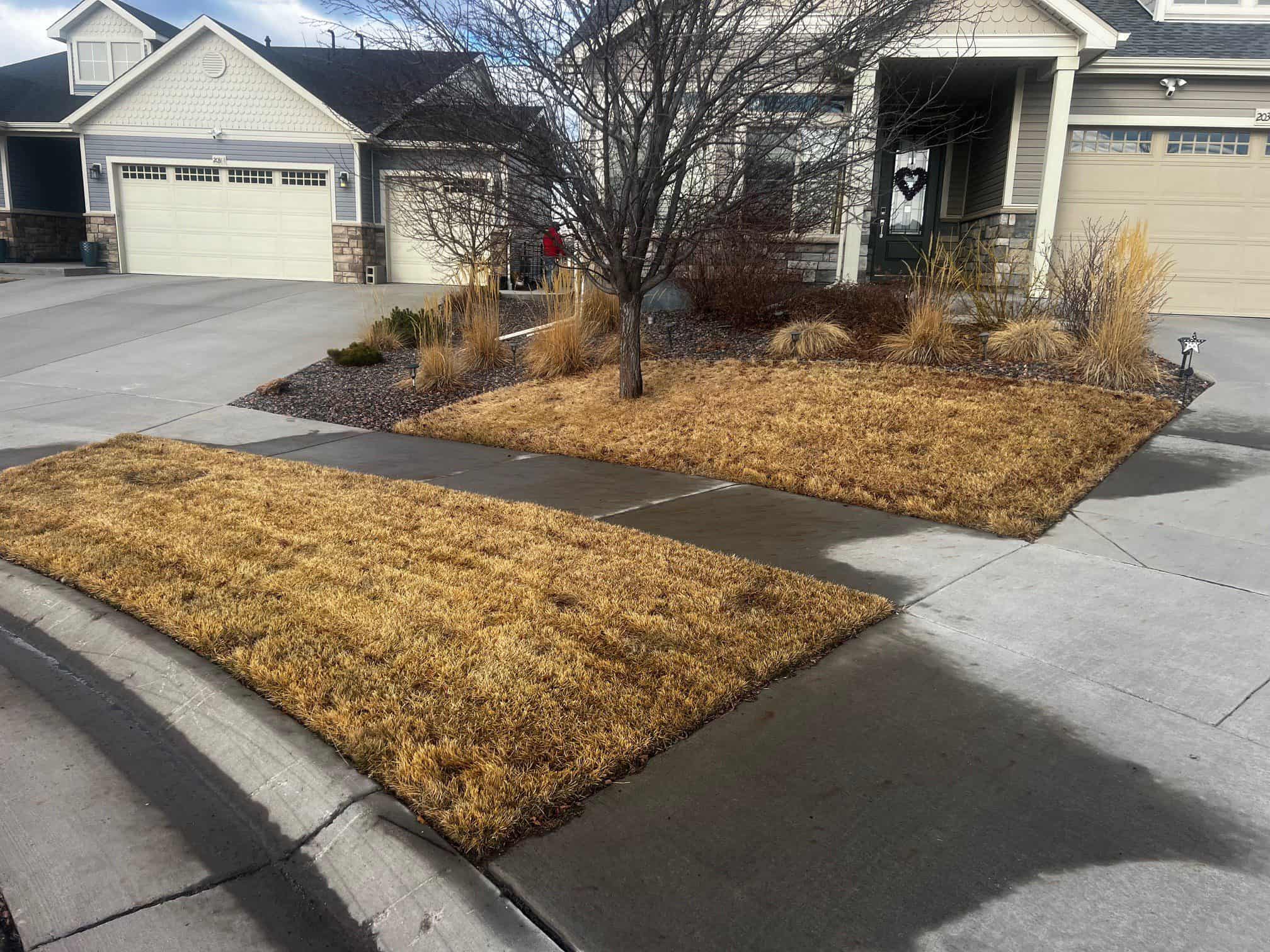
Patchy lawn, muddy pet areas and weekends spent mowing can make you rethink how much grass your yard needs. A lawn replacement project starts with how you want to use the space—and what it takes to keep it looking good.
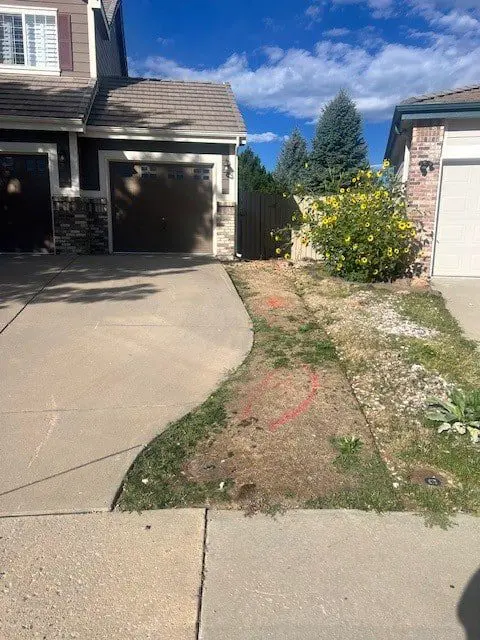
At FRSR, conversations about lawn replacement usually begin with a problem the homeowner wants solved. It might be a narrow side yard worn down by dogs, an unused front lawn or a backyard with too little room to sit and gather.
The solution can combine planting, a smaller lawn, artificial turf, improved irrigation and a better patio layout. Looking at the whole yard helps you decide where each material will be useful.
Start With Why the Grass Is Struggling
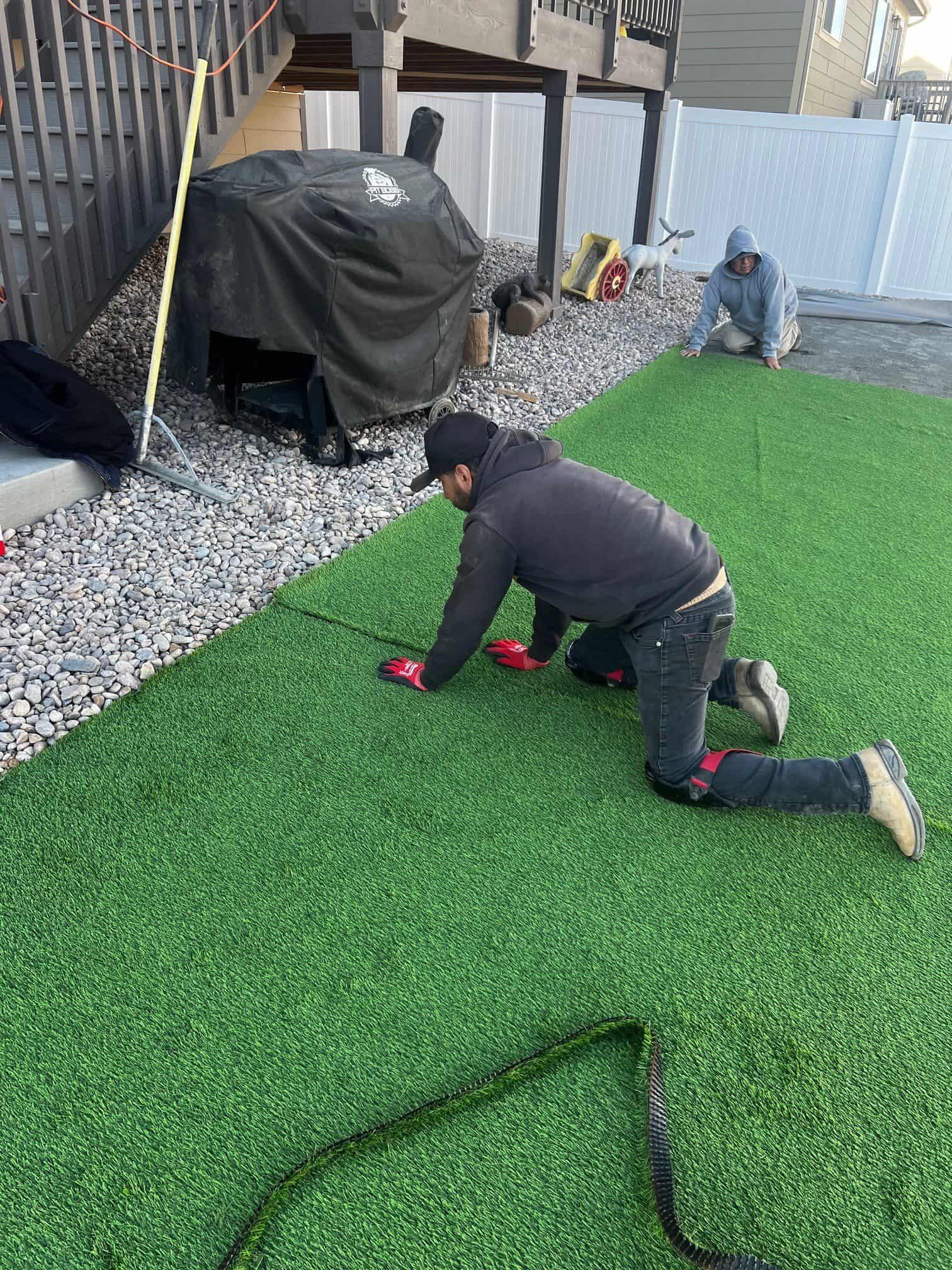
Before choosing a replacement, review sun exposure, irrigation coverage, drainage, soil and foot traffic. A sprinkler repair or a change in how an area is used may solve a local problem. Other areas may work better as planting beds, a path or a dedicated pet space.
Also consider what you enjoy about the current lawn. Keep the useful parts of the yard in mind as you plan changes.
Options for Replacing or Reducing Lawn
ColoradoScape Planting
Use trees, shrubs, perennials and ornamental grasses selected for the site. Mulch, boulders and paths can define beds and add structure. Plan plant spacing around mature size and group plants with similar watering needs.
A Smaller, Useful Natural Lawn
Retain lawn where you use it for play or gathering and reconsider awkward strips or unused corners. Review grass selection, irrigation and care for the conditions on your property.
Artificial Turf for Play & Pet Areas
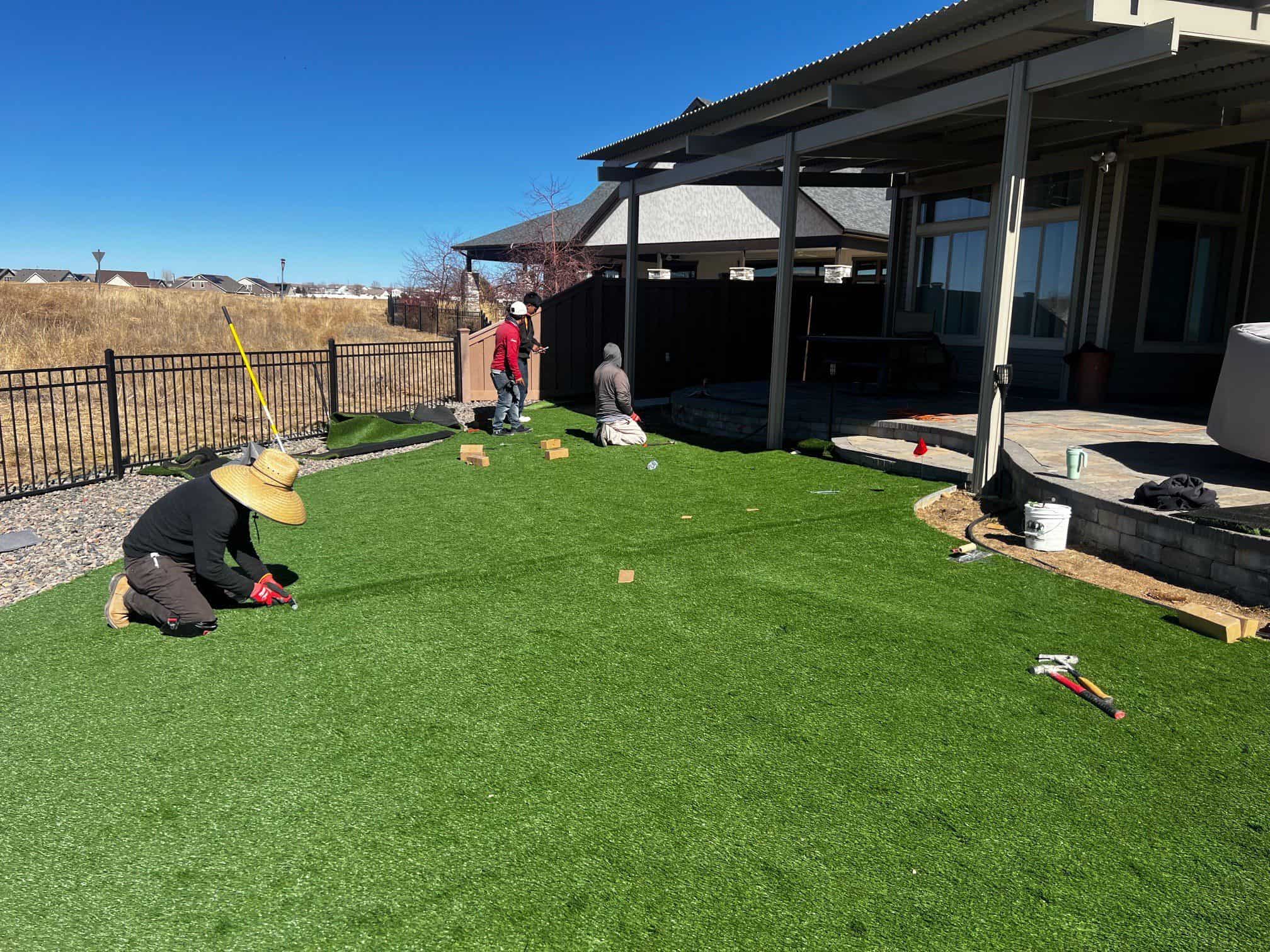
Artificial turf can provide a consistent green surface without mowing or routine lawn irrigation. Discuss base preparation, drainage, cleaning, pet-area rinsing and sun exposure when deciding where to install it.
A Mix of Green Space & Outdoor Living
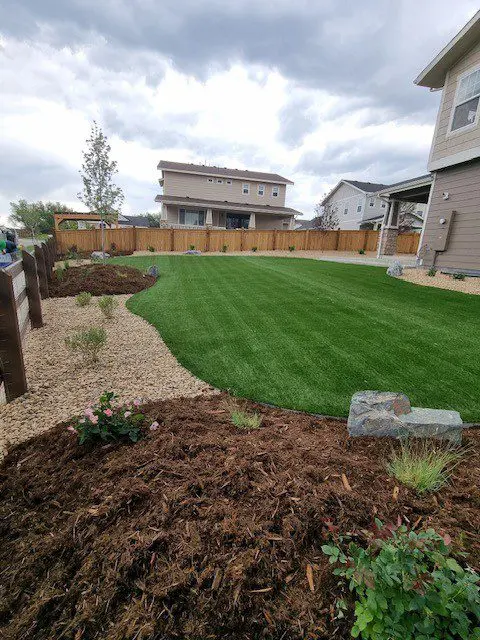
Combine a defined lawn or turf area with planting and places to sit. A path or patio can make an underused part of the property easier to reach and enjoy.
What to Consider Before Choosing Artificial Turf
Look at samples, intended use and the installation details together. A pet area has different care needs from a decorative front-yard section or a putting space.
- Drainage and base preparation. Review grades, water movement and the supporting base before installation.
- Cleaning and pets. Plan for debris removal, waste pickup and rinsing where needed.
- Sun exposure. Consider surface heat when deciding where children and pets will use the space.
- Edges and transitions. Plan how turf meets planting beds, fences, patios and access points.
Our Colorado Artificial Turf Guide can help you begin comparing options.
Plan Water Use Across the Whole Yard
Changing the surface is one part of a lawn conversion. Irrigation zones and schedules also need to suit the new layout. Include establishment watering for new plants and review how retained trees will receive water when nearby lawn sprinklers change.
Actual water use depends on the original landscape, replacement materials, weather and ongoing care. Use a site-specific watering plan when evaluating the project.
Considering a lawn replacement incentive? Confirm the current requirements with your water provider or program before removing grass. Check advance approval, eligible materials and contractor arrangements. Start with our Colorado lawn replacement and rebate guide.
Choose the Maintenance You Want to Take On
Each option has care needs. Planting beds need weeding, pruning and irrigation checks. Natural lawn needs mowing and seasonal care. Artificial turf needs cleaning and attention to heavily used areas.
Think through the tasks you want to reduce and the ones you are comfortable keeping. That helps determine the balance of planting, lawn, turf and hardscape in the design.
Bring the Layout Together Before Construction
FRSR reviews lawn replacement as part of the overall landscape. Access, grades, drainage, patio size, planting space and irrigation all affect the finished result.
For a front-yard conversion, explore the ColoradoScape Plant Guide. For a backyard renovation, consider how patios and walkways connect the areas you use most.
Grass Replacement Questions
Should I replace all my grass?
The project can focus on a single problem area or reduce the total lawn size. Review where grass serves your household and where another use would be more practical.
Can a water-wise yard still have color and green space?
Yes. A design can combine living plants, appropriately sized lawn areas, artificial turf and gathering spaces. Select the mix for your site and maintenance goals.
Can FRSR help with HOA submissions?
Yes. Share the current guidelines early so layout and material information can be prepared for review. Your HOA or other reviewing organization determines approval.
What should I send for an estimate?
Include your city, photos, the areas you want to change, your priorities, a budget range and preferred timing. A survey and HOA guidelines are helpful if available.
What Would Make Your Yard Work Better?
Tell us what you want to change, what you want to keep and how you would like to use the space. FRSR will help you work through the options.
One Contractor, One Design, Done Right.