
FRSR Colorado Landscape Guide
What Is ColoradoScaping? A Guide to Water-Wise Colorado Yards
ColoradoScaping brings climate-suited planting, thoughtful water use and practical outdoor living together. The starting point is your property: how it drains, what grows well and how you want to use the space.
At FRSR, we plan those pieces together—from front-yard lawn conversions to complete new-construction backyards.
Family-owned since 1994 • HOA submission assistance
What Does ColoradoScaping Mean?
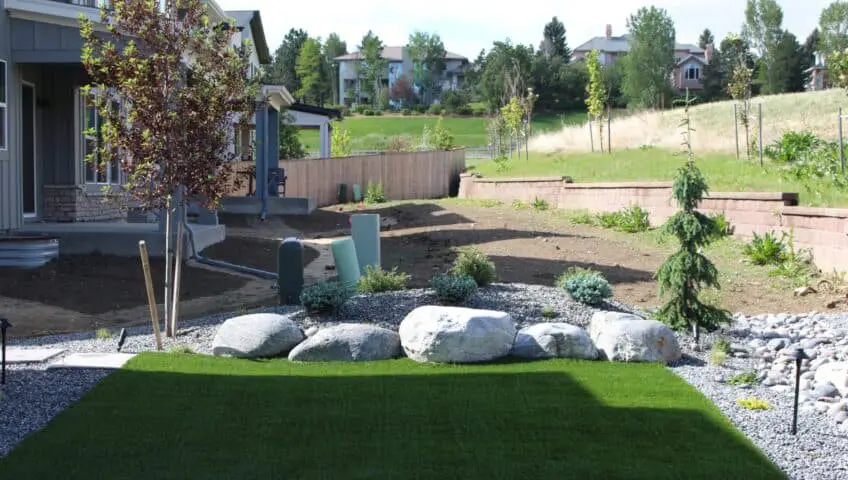
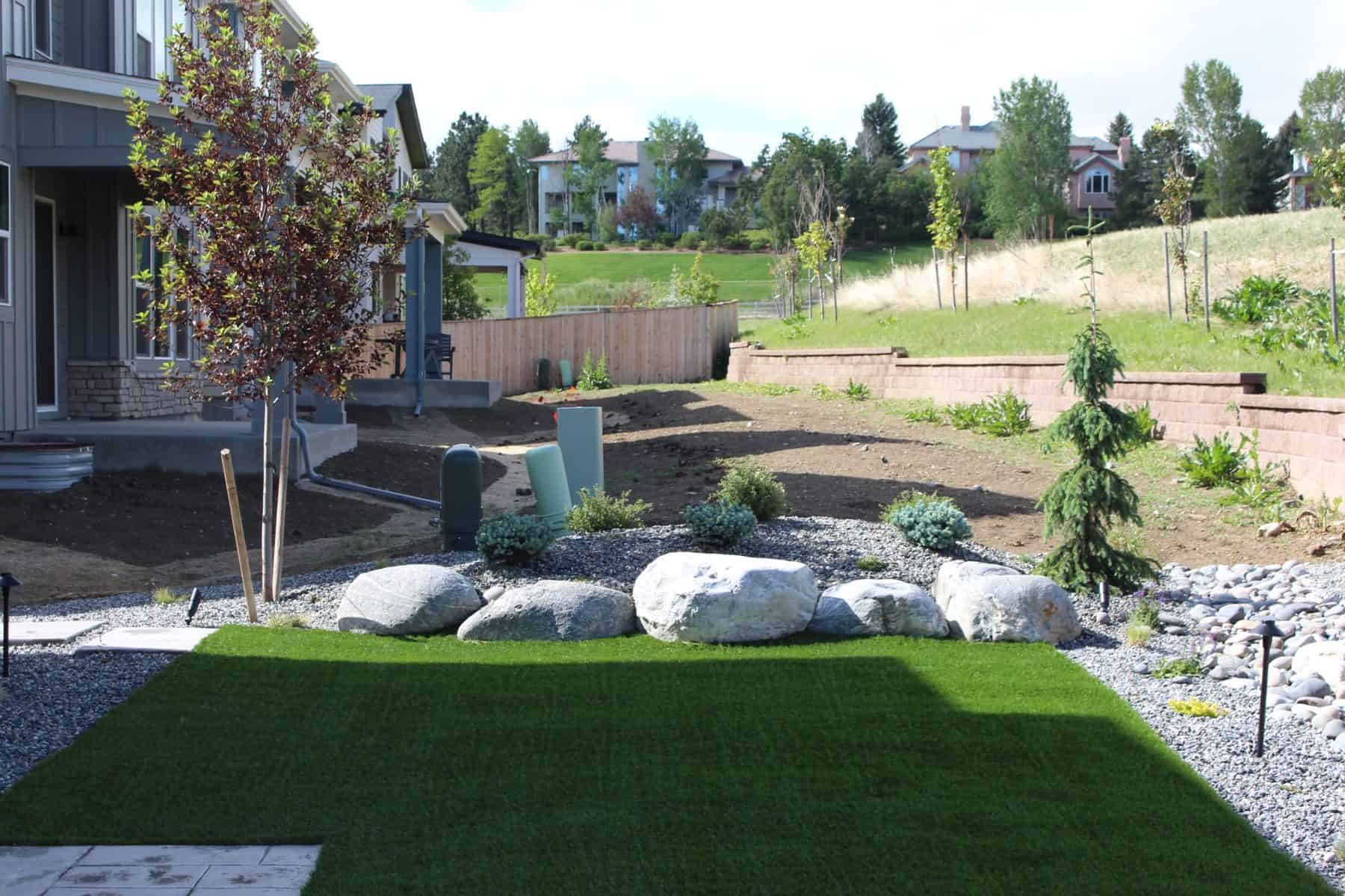
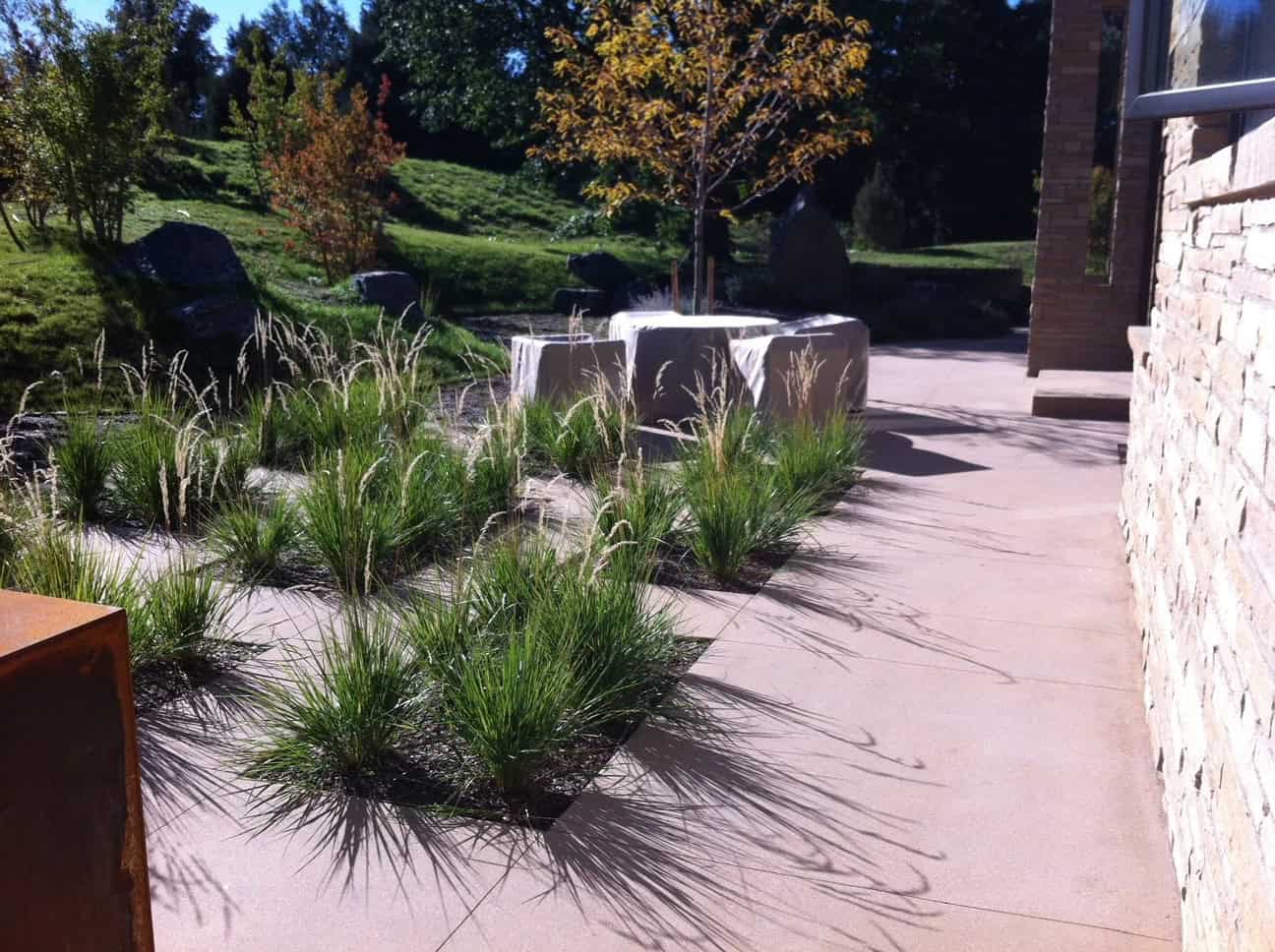
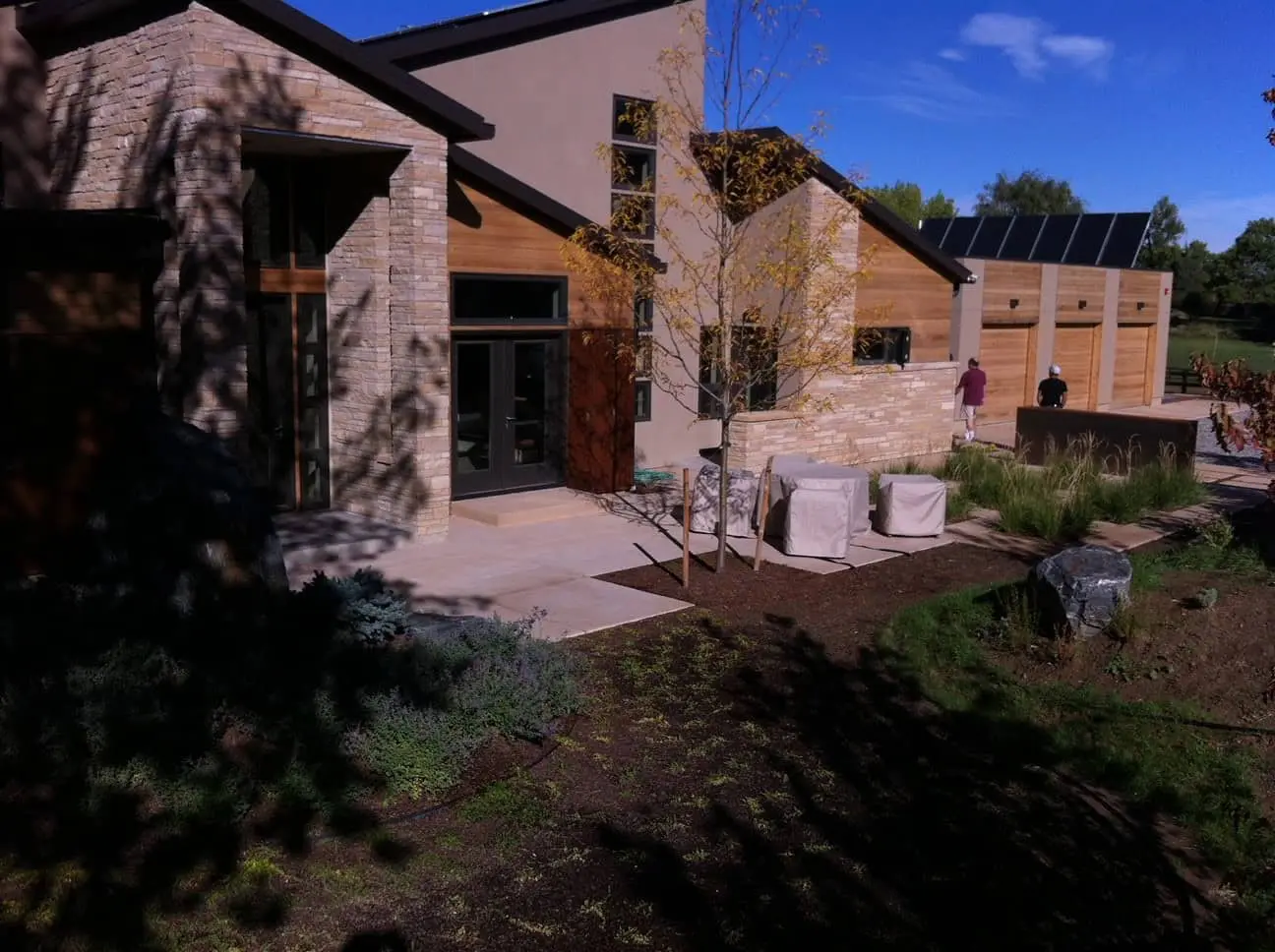
ColoradoScaping describes a landscape planned for Colorado conditions, with water needs, plant selection, soil, maintenance and everyday use considered together. It can include trees, shrubs, perennials, ornamental grasses, mulch, boulders, paths and gathering spaces.
For FRSR projects, that may mean converting an underused front lawn into planting beds, giving a new backyard a complete layout or creating a smaller play area alongside a patio. Artificial turf is an optional material for particular uses; it is not a requirement for a ColoradoScape yard.
Start with a plan, not a material list. Decide where you need shade, planting, play space and seating before choosing the balance of lawn, turf, rock, mulch and hardscape.
ColoradoScaping and Xeriscaping
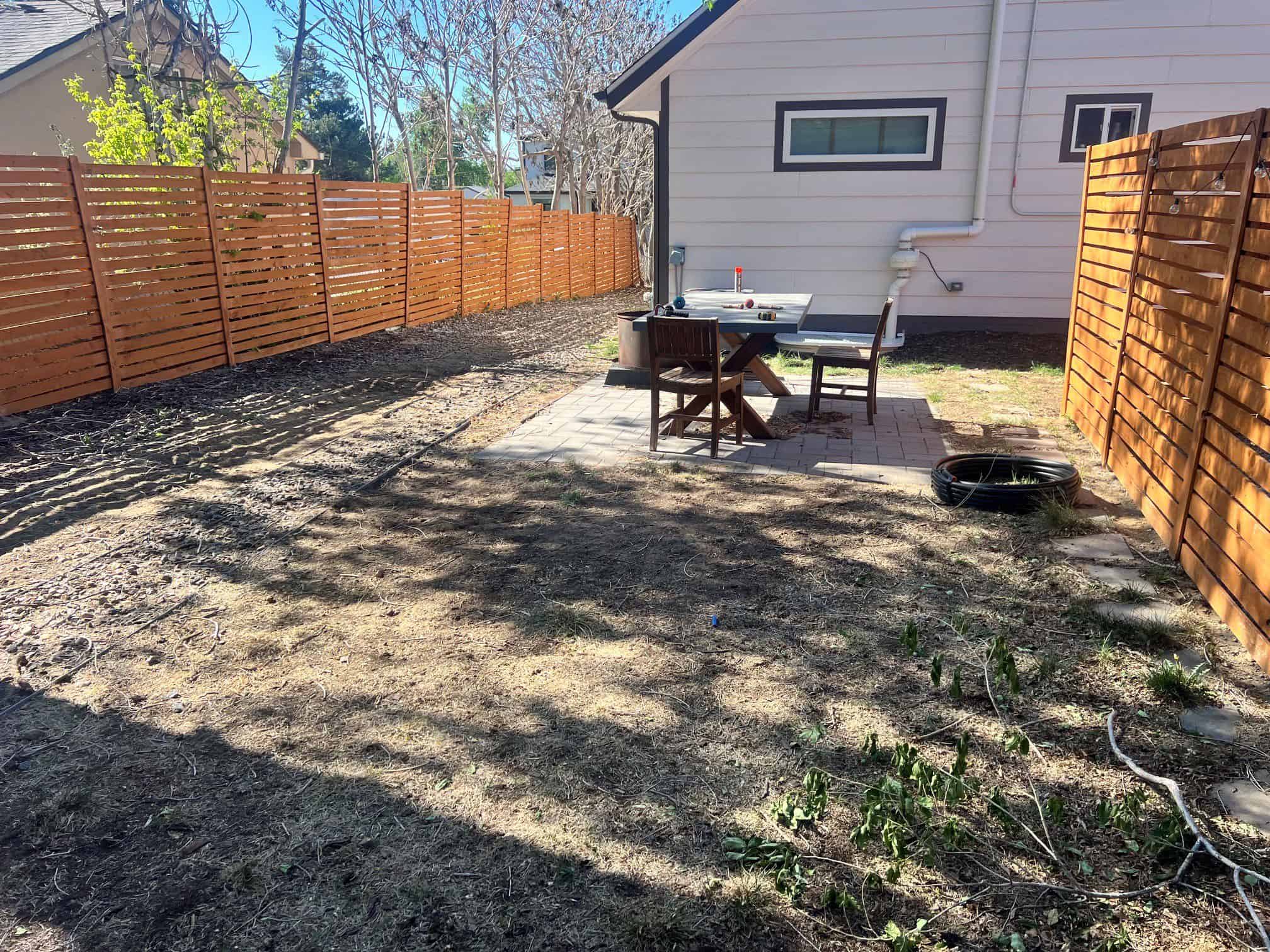
ColoradoScaping and xeriscaping share water-wise goals. Xeriscaping is a broader set of landscape principles covering planning, soil, appropriate plants and lawn areas, irrigation, mulch and maintenance. It can be colorful, planted and comfortable to use.
FRSR applies those ideas within a complete outdoor living plan. Patios, paths, shade and gathering areas are designed alongside planting and irrigation, rather than treated as separate projects.
For more background, explore Denver Water’s Xeriscape principles.
What Goes Into a ColoradoScape Yard?
Plants That Fit the Site
Choose for sun exposure, soil, available space and mature size. Group plants with similar water needs and plan for establishment watering.
Useful Green Space
Keep or create green areas where they serve a purpose. Discuss natural lawn and artificial turf options around play, pets, shade and maintenance needs.
Patios, Paths & Structure
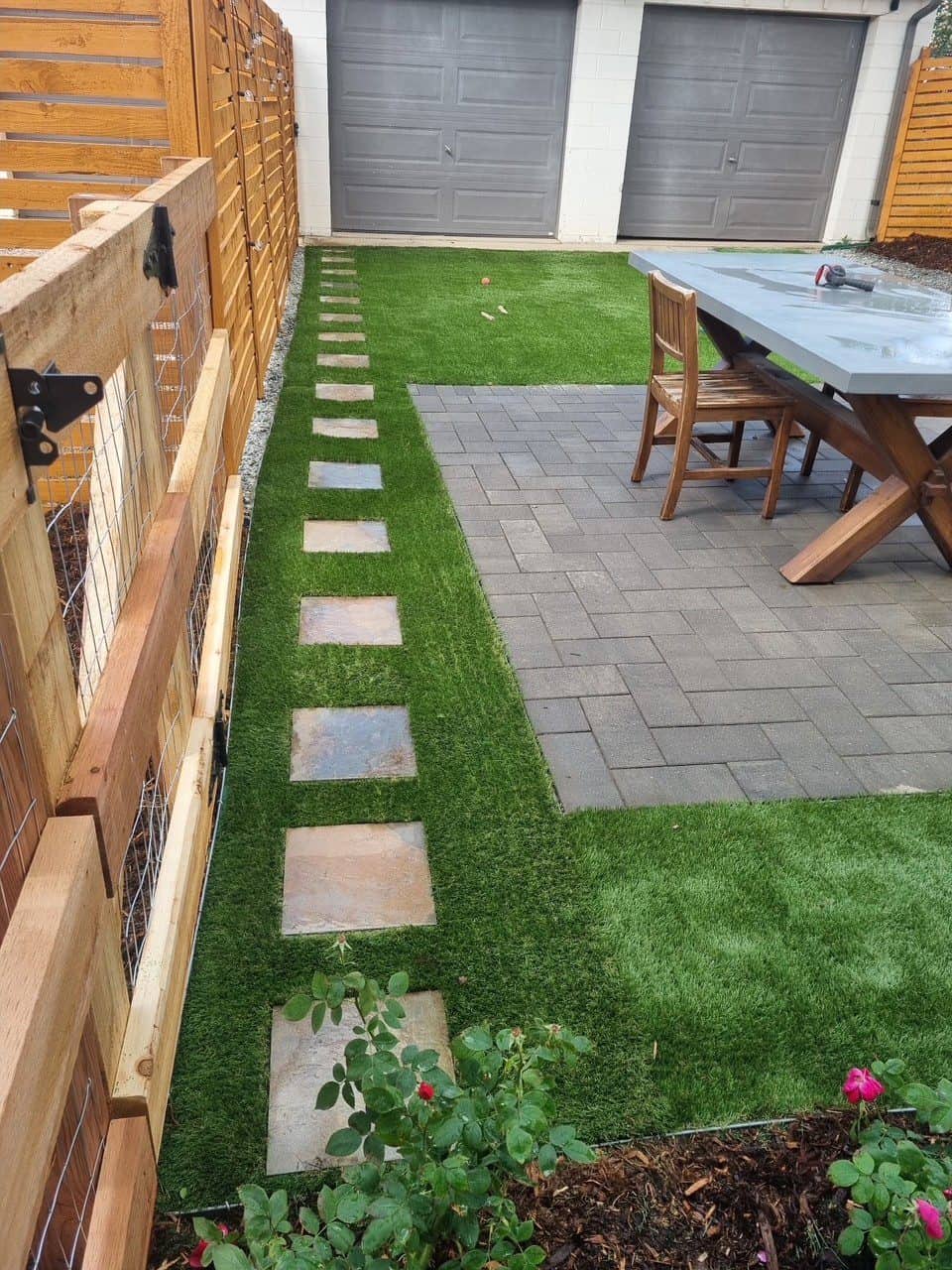
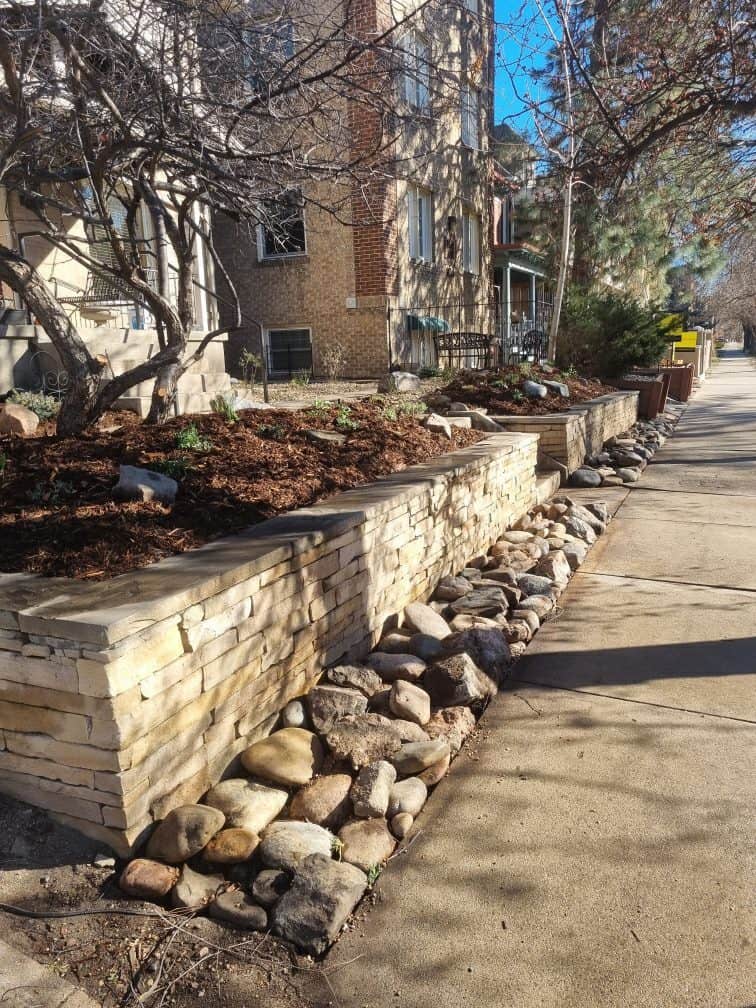
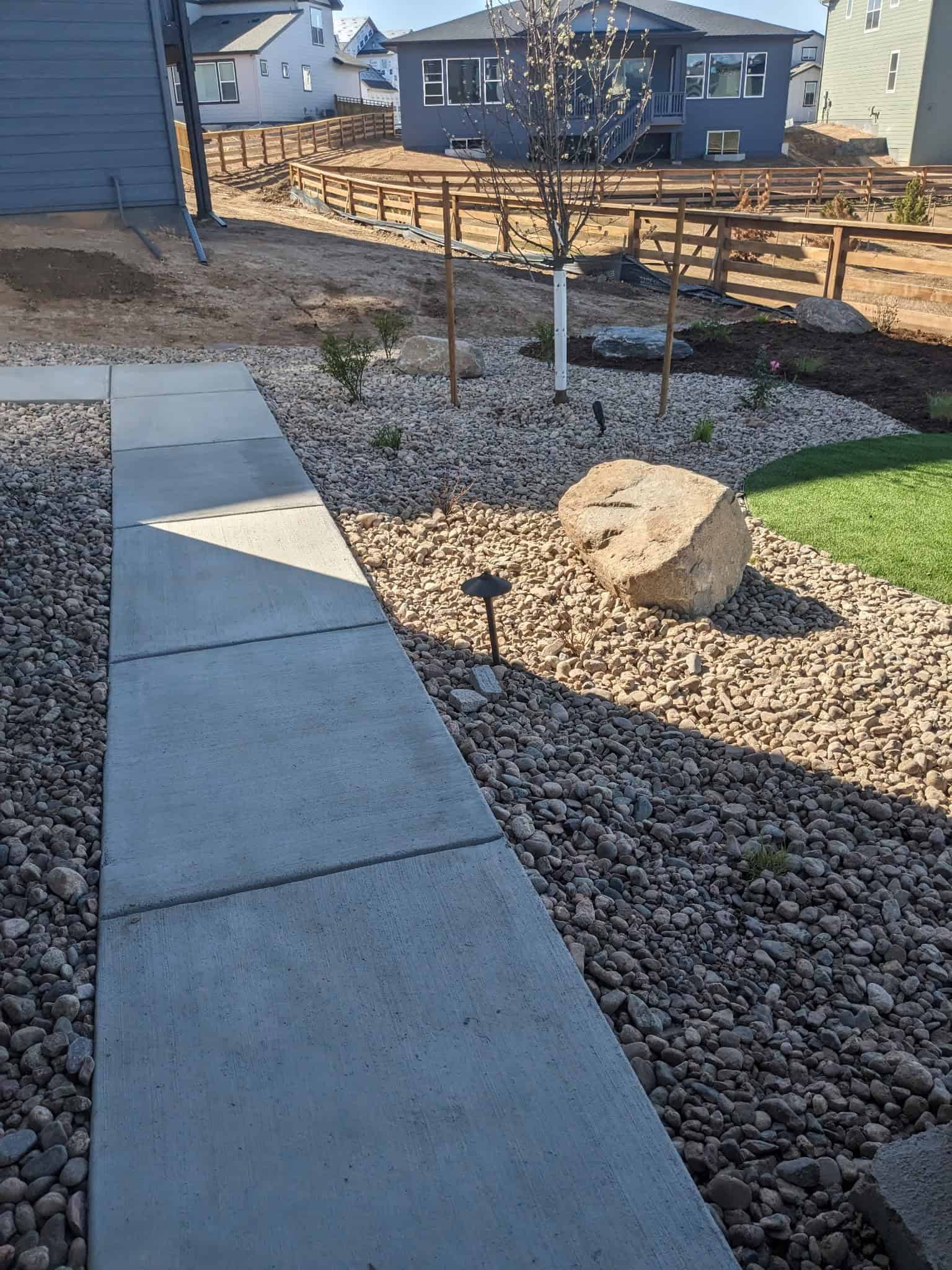
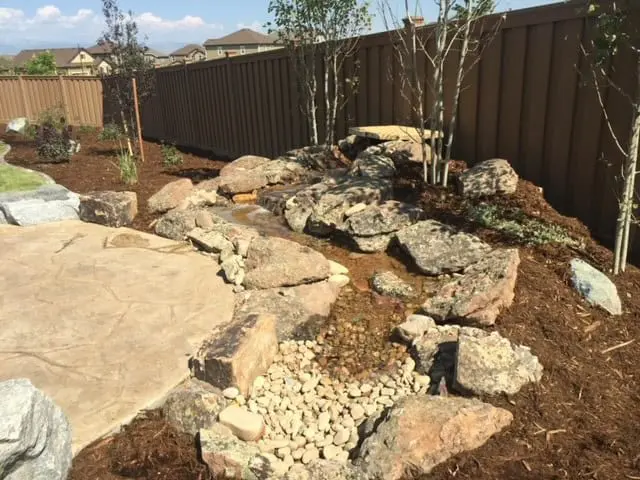
Use patios and walkways to connect the home with the yard. Boulders, edging, mulch and rock help define planting beds and transitions.
Drainage & Irrigation
Review grades, runoff and existing irrigation before construction. Adjust watering zones to match the new landscape and protect retained trees.
Use our ColoradoScape Plant Guide to explore trees, shrubs, grasses and perennials, then narrow the choices to your site.
Where Does Artificial Turf Fit?
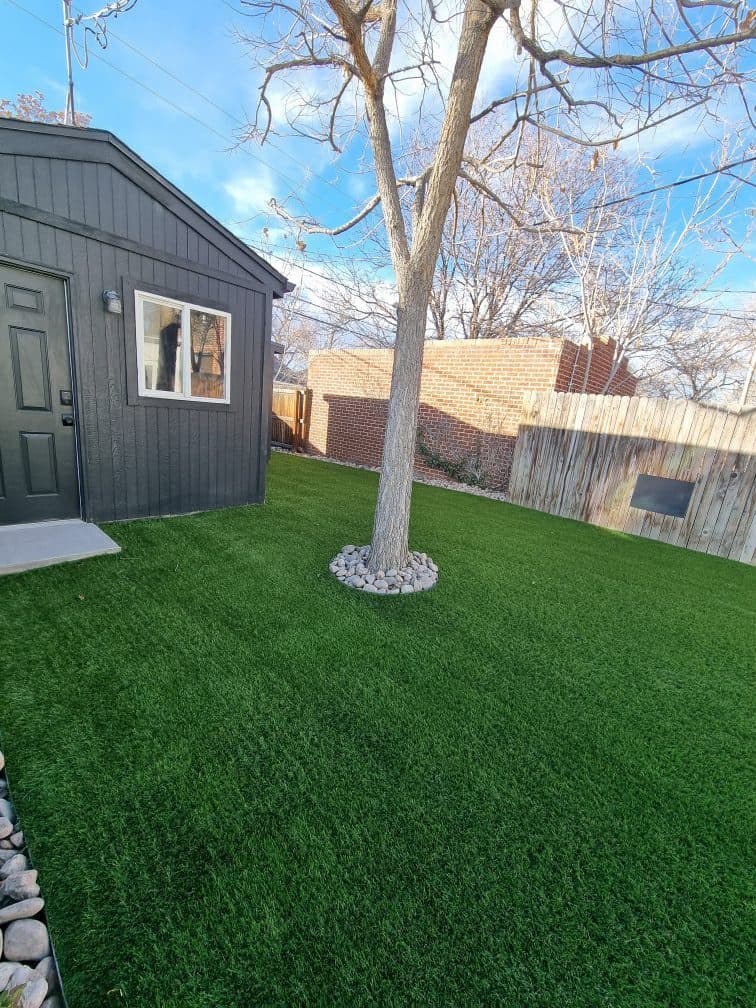
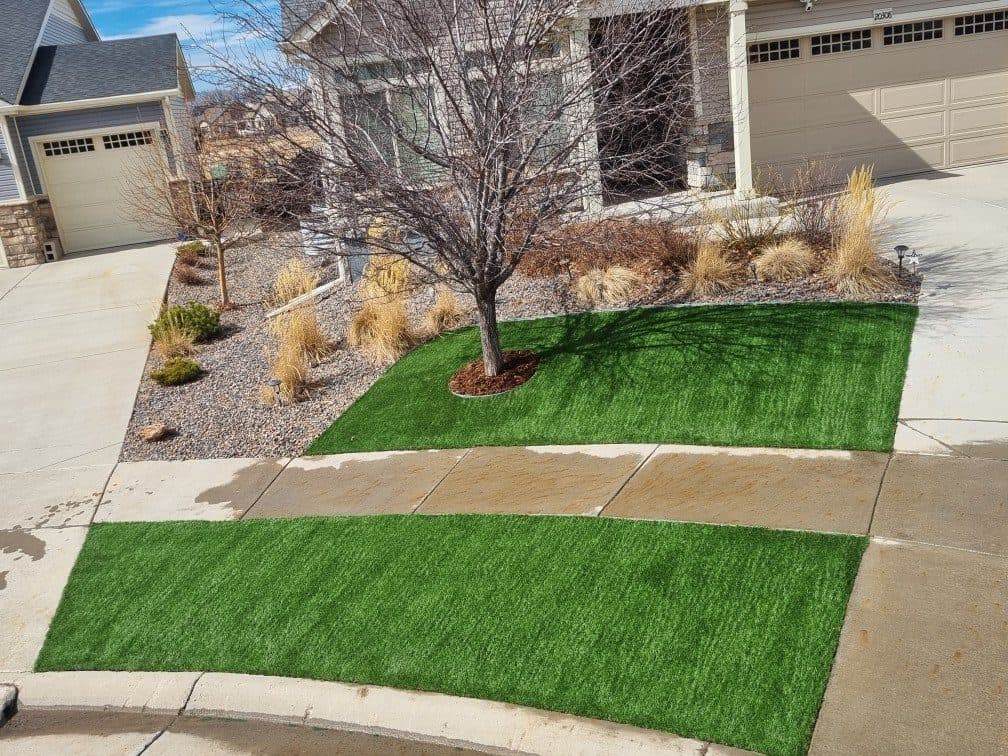
Artificial turf can create a defined play lawn, side-yard pet area or putting space without routine lawn irrigation or mowing. The right choice depends on how the area will be used and how it connects to the rest of the yard.
Plan for excavation, base preparation, drainage, edges and seams. Turf still needs cleaning and care; pet areas may need rinsing, and sun exposure and surface heat should be considered when choosing its location.
Explore our artificial turf installation options to discuss materials and preparation for your project.
Water-Wise Does Not Mean No Water or No Maintenance
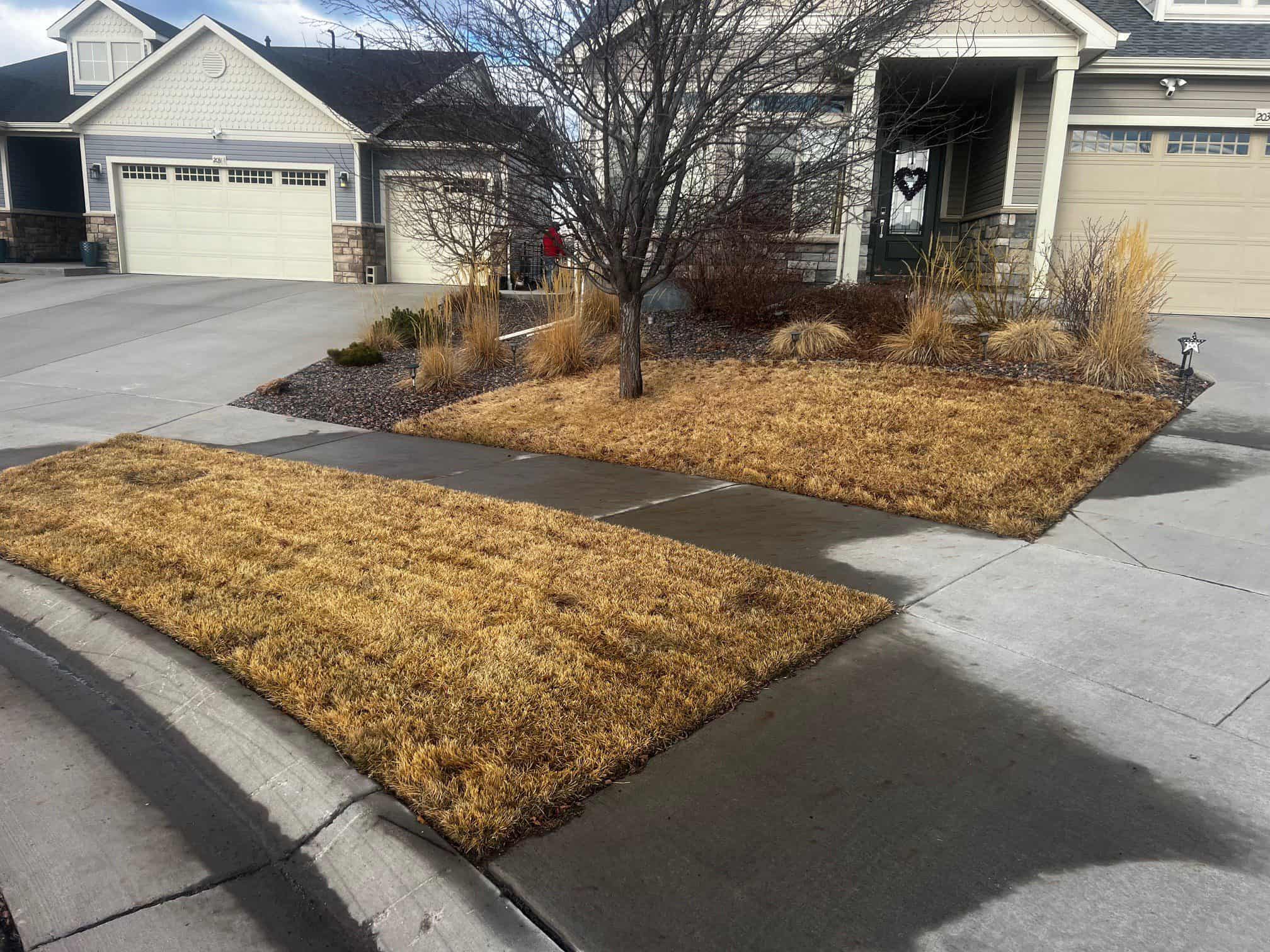
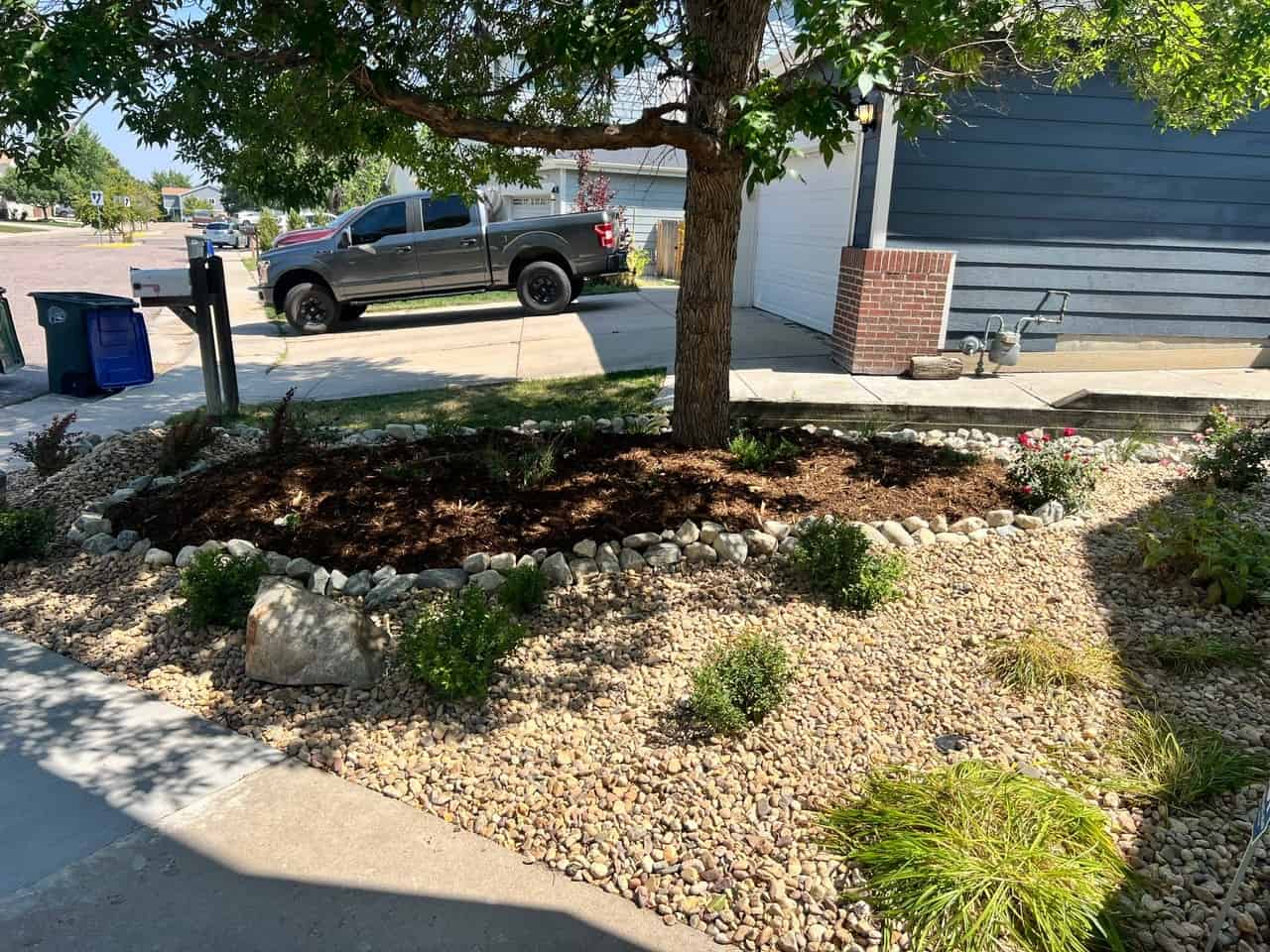
Water use depends on what is removed, what replaces it, irrigation settings, plant establishment and ongoing care. New plantings need a watering plan, and existing trees may need a separate water source when nearby lawn irrigation is removed.
Mulch, appropriate plants and well-managed irrigation can support a lower-water landscape. Weeding, pruning, irrigation checks and seasonal cleanup still belong in the maintenance plan.
See CSU Extension’s guidance on retrofitting an existing yard for more planning considerations.
New Backyard or Existing Yard?
New-Construction Homes
Plan the yard around access, existing grades, drainage routes, patio size and planting space. Review builder documents and HOA requirements before committing to a layout.
Established Landscapes
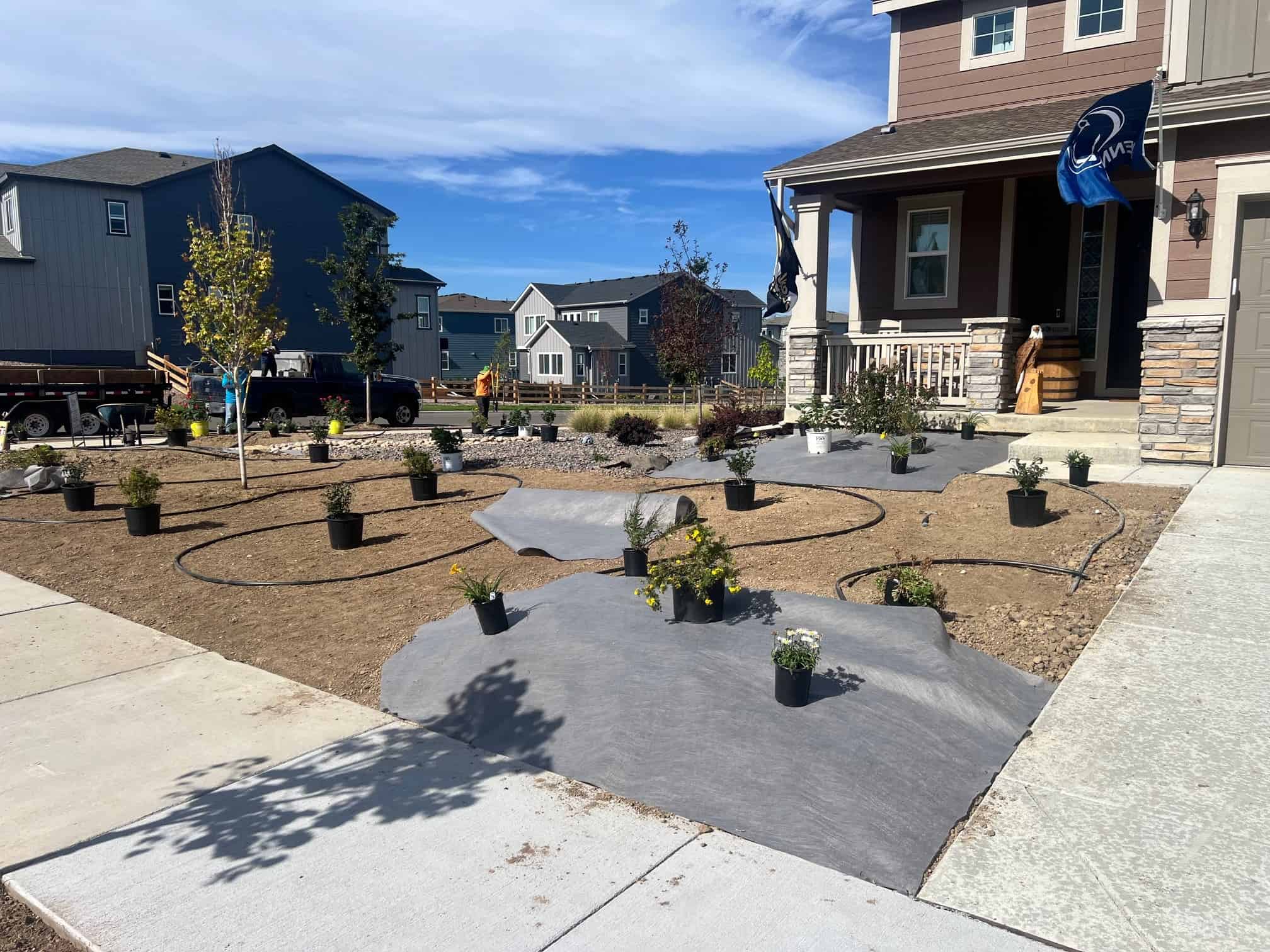
Identify what to keep before starting demolition. Mature trees, established planting, useful patio areas and existing drainage can shape a renovation that feels connected to your home.
Check Requirements Before Removing Lawn
Confirm your water provider’s current requirements and any applicable HOA, metro district or permit review before work starts. FRSR can help prepare layout and material information for HOA submissions; approval remains with the reviewing organization.
If you are pursuing an incentive, check eligibility, advance approval, planting requirements and installation rules directly with the program. Artificial turf, rock-only areas and patios may not qualify. Visit our Colorado landscape rebate guide as a starting point.
How FRSR Plans Your ColoradoScape Project
- Review your goals and property. Share photos, priorities, budget range and how you want to use the yard.
- Bring the layout together. Coordinate planting, patios, green areas, irrigation and drainage within one scope.
- Confirm materials and requirements. Work through selections, access, approvals and scheduling before construction.
- Build and walk through the finished space. Review the project and care needs with our team.
FRSR is family-owned since 1994, with our landscape division added in 1998. We serve Denver and Front Range communities including Broomfield, Erie, Thornton, Westminster, Parker and Castle Rock.
Learn about our ColoradoScape services, explore complete landscape construction or browse completed FRSR projects.
ColoradoScaping Questions
Do I have to remove all my grass?
No. The plan can retain useful lawn and replace areas that are difficult to maintain or rarely used. The mix depends on your goals, site and applicable requirements.
Does every ColoradoScape yard include artificial turf?
No. Artificial turf is optional. A design can focus on living plants, mulch, paths and appropriately sized natural lawn areas.
Will the yard need watering?
Yes, living plants need water, particularly during establishment. Irrigation should match the selected plants, weather and soil conditions, with retained trees considered separately.
Can you include a patio or outdoor kitchen?
Yes. FRSR can coordinate stamped concrete, paths, shade structures, outdoor kitchens and other features within the landscape construction scope.
How much does a ColoradoScape conversion cost?
Cost depends on demolition, access, site preparation, planting, irrigation, materials and outdoor living features. Send photos and a budget range so we can discuss an appropriate scope.
What should I send to get started?
Include your city, yard photos, project priorities, budget range and preferred timing. A survey and current HOA guidelines are helpful if available.
Plan a Colorado Yard That Works for You
Whether you are rethinking a front lawn or finishing a new backyard, tell us what you want to change. We will help bring the pieces together.
One Contractor, One Design, Done Right.