Stamped Concrete, Artificial Turf & Landscaping Experts
7050 West 120th Ave. Suite 205B Broomfield, CO
04 Apr 2026

Why More Colorado Homeowners Are Replacing Grass in 2026

Colorado Outdoor Living

Why More Colorado Homeowners Are Replacing Grass in 2026

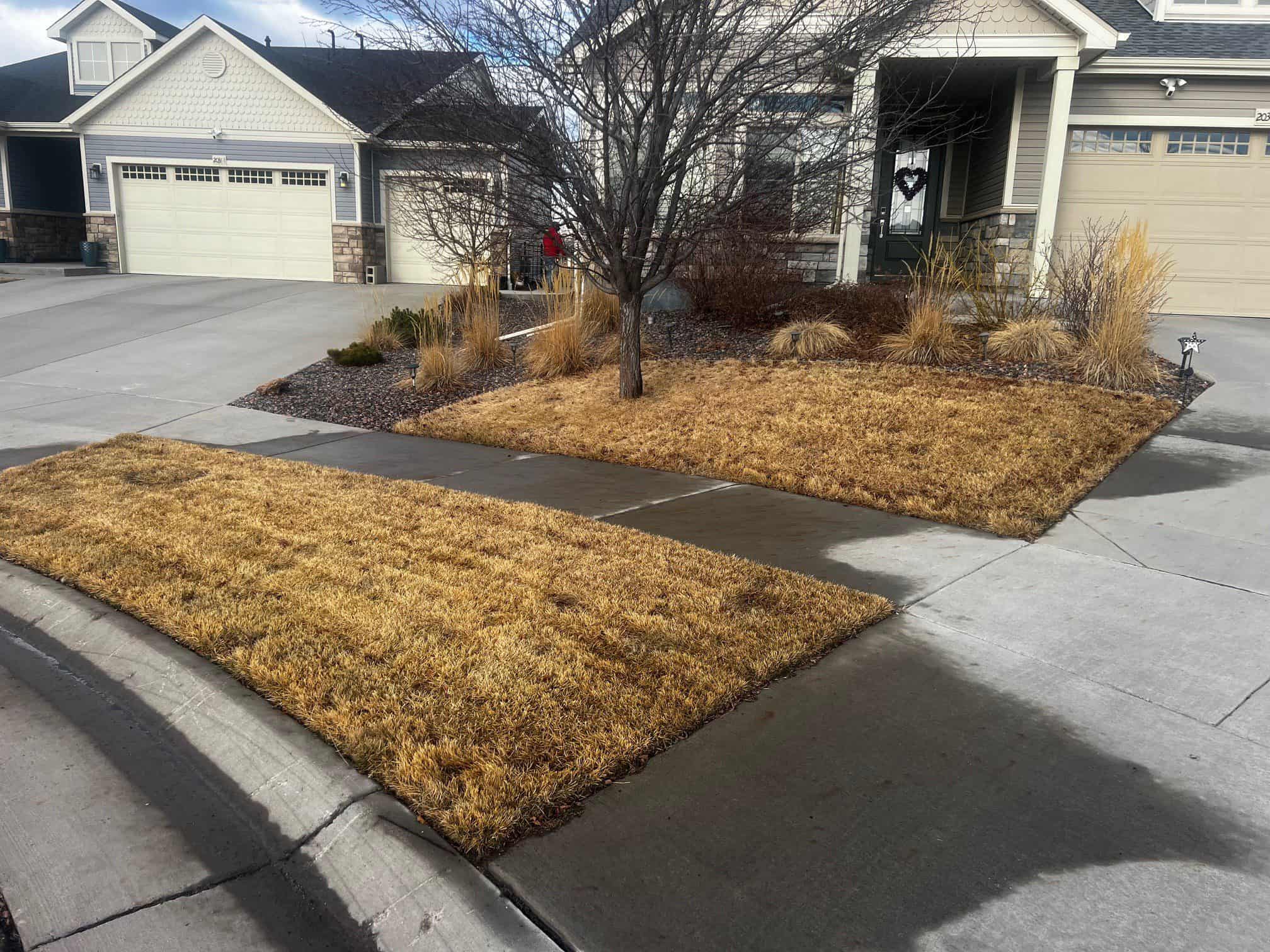
Dead spots, muddy dog runs, high water bills, and constant upkeep are pushing a lot of homeowners to rethink the old-school lawn. Around Colorado, more people are trading problem grass for cleaner, lower-maintenance outdoor spaces that actually fit the way they live.

We hear it all the time. Homeowners are tired of putting money, time, and water into grass that still looks rough by mid-season. Between hot stretches, traffic from kids and dogs, patchy areas that never really recover, and the general headache of trying to keep everything green, the traditional lawn is not always the easy answer people think it is.

That does not mean every yard in Colorado needs to become artificial turf. It does mean more homeowners are taking a harder look at what actually works here. In many cases, the answer ends up being a mix of artificial turf, plantings, decorative rock, irrigation upgrades, and more thoughtful landscape construction that fits the property better than a big water-hungry lawn ever did.

If you have been staring at thin grass, bare spots, or a backyard that turns into a mess every time the dogs go out, this is probably the same conversation you are already having in your head.

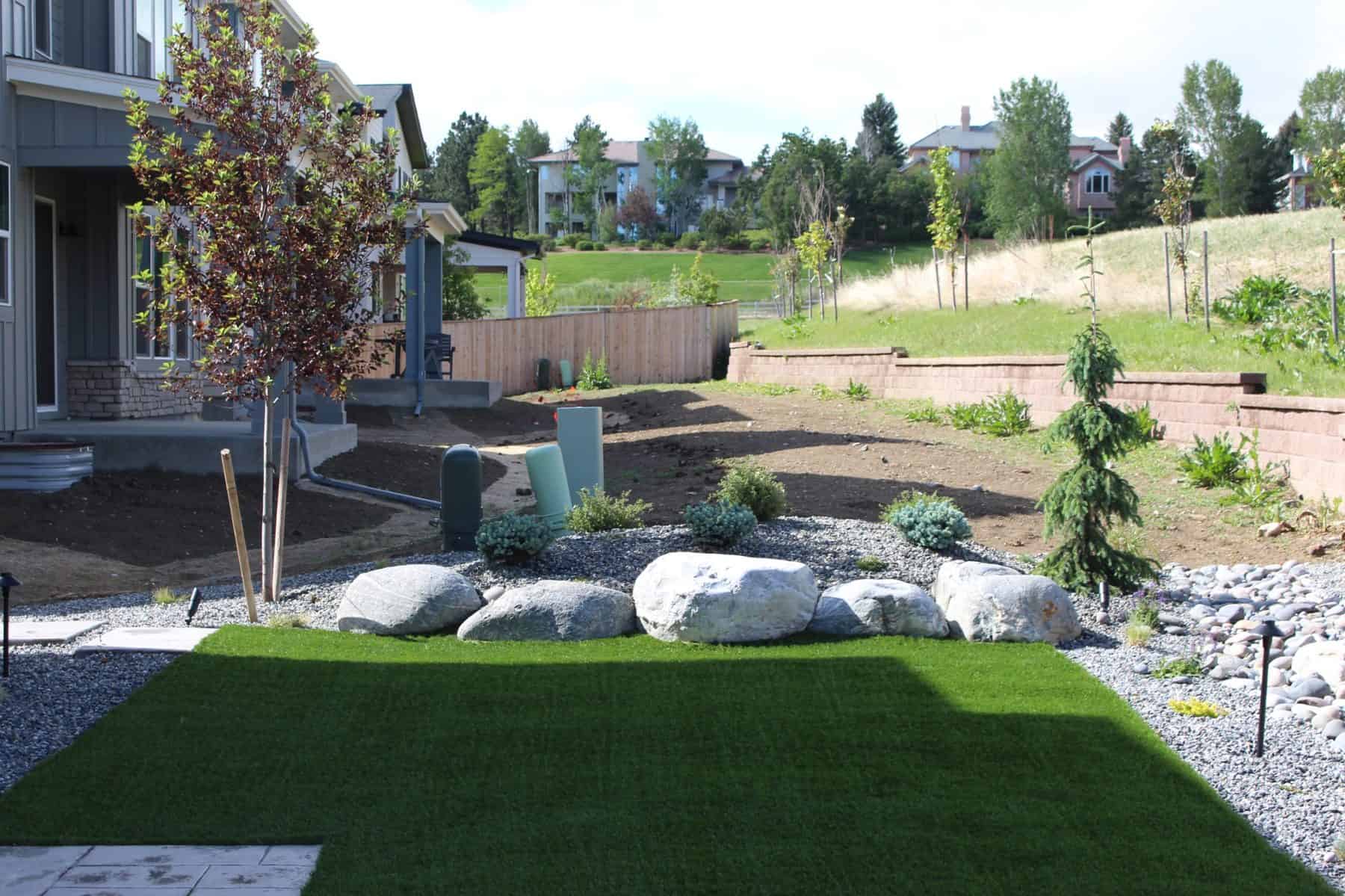
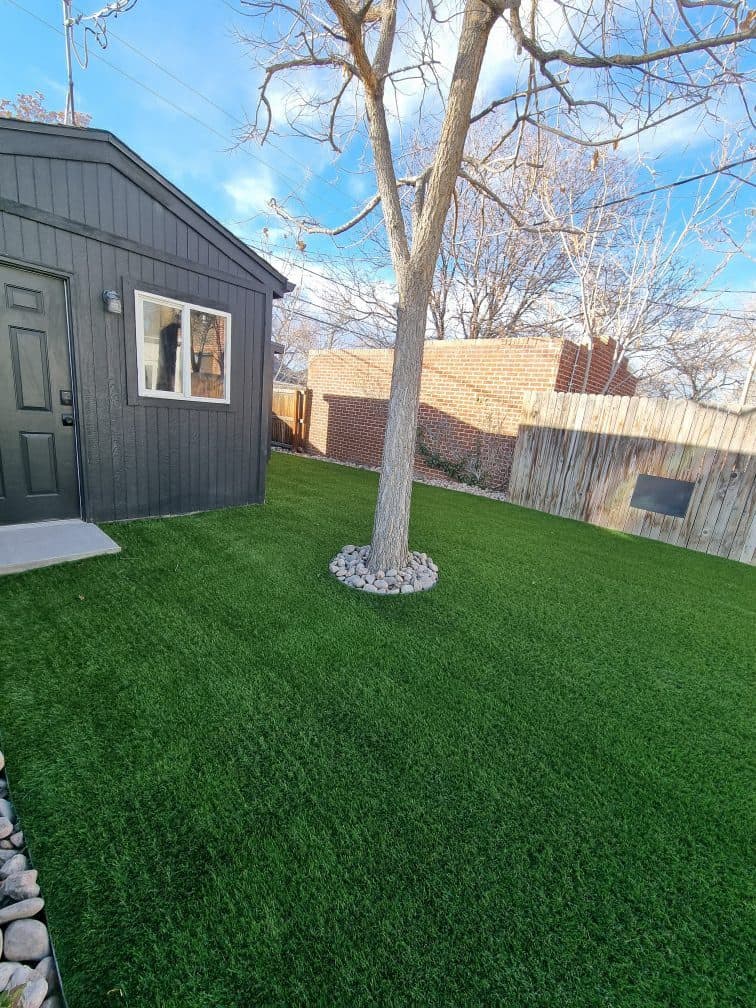
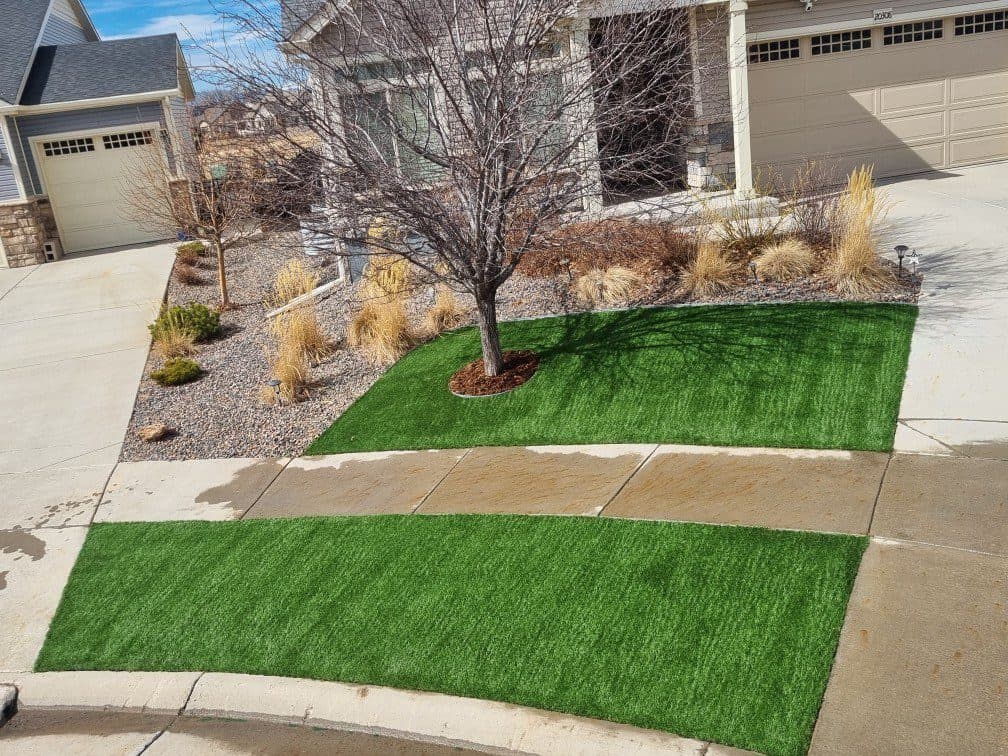
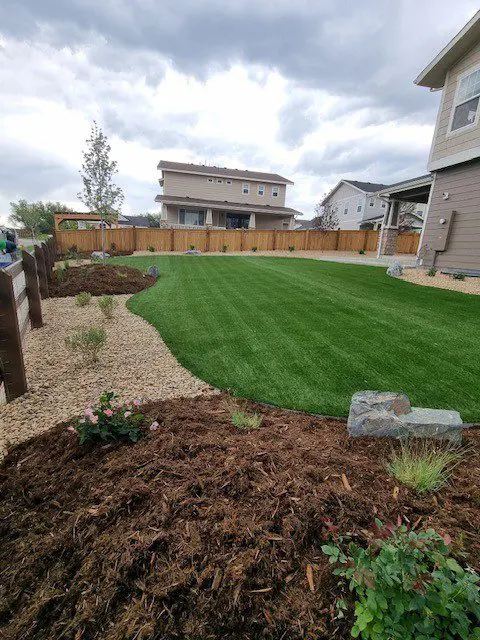
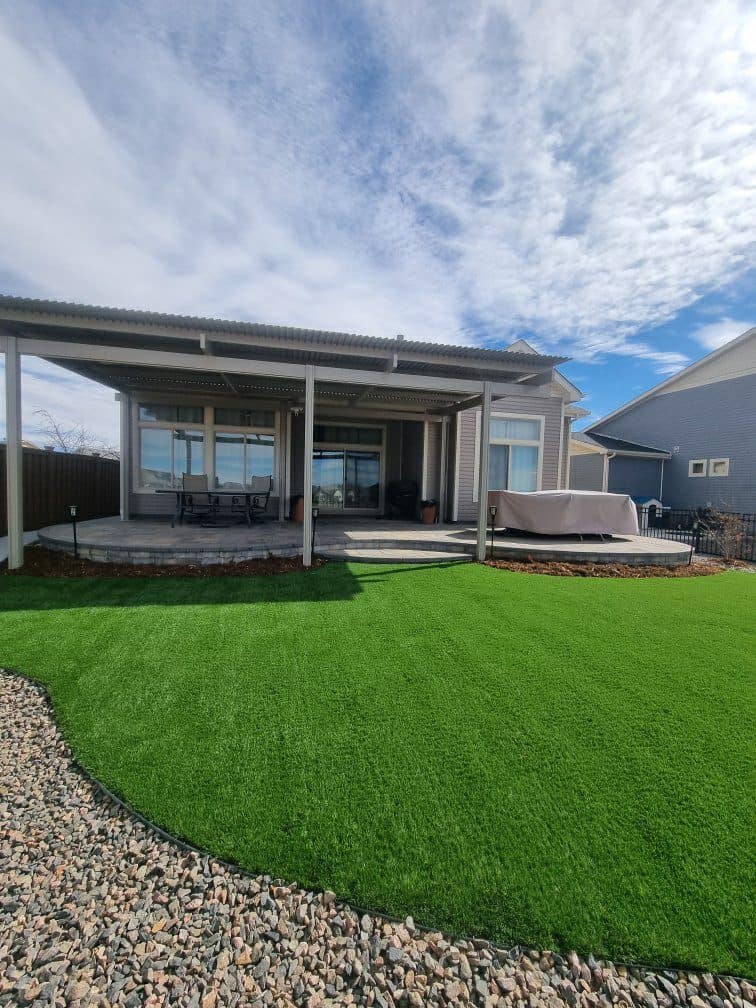
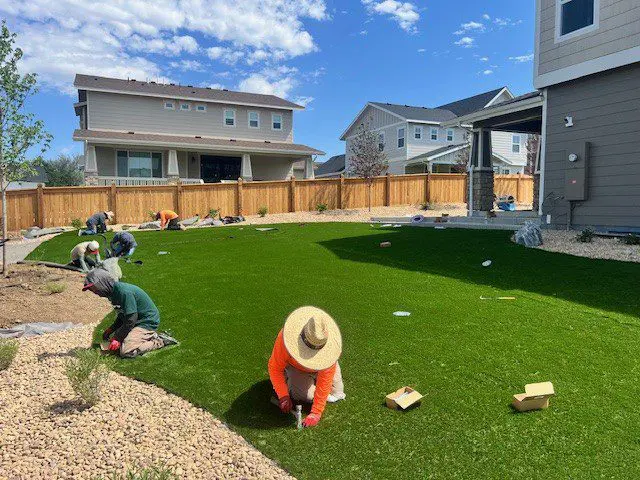
Finished Colorado backyard with artificial turf installed by FRSR
A finished turf yard can clean up the look of a space fast while cutting down on the muddy, worn-out areas homeowners get tired of fighting.

Why So Many Colorado Lawns End Up Frustrating Homeowners

A lot of grass looks good in a photo or right after it gets watered. The problem is living with it over time. In Colorado, lawns deal with dry conditions, temperature swings, hard sun, traffic, pets, and irrigation issues that can make a yard feel like a never-ending project.

On top of that, a lot of homeowners simply do not want to spend their weekends chasing greener grass. They want a yard that looks sharp, feels clean, and does not demand constant babysitting.

Local and national water-efficiency resources have been pushing homeowners to think more carefully about outdoor water use and lower-water landscape choices for years. That is one reason you are seeing more attention on water-wise yards, Xeriscape principles, and smarter landscape design in Colorado. Denver Water, Aurora Water, Colorado State University Extension, and EPA WaterSense all have solid information on that topic.

What Homeowners Are Choosing Instead of Traditional Grass

The biggest shift we are seeing is not just “rip out the lawn and call it a day.” It is a lot more practical than that. Homeowners want outdoor spaces that solve real problems. They want yards that hold up, look finished, and do not feel like a burden.

In many cases, that means replacing all or part of the grass with one of these approaches:

1. Artificial Turf in the Right Areas

Turf makes a lot of sense where people want a clean, green look without the mud, mowing, worn traffic lanes, or dead spots. Front yards, side yards, pet runs, kid play areas, courtyards, narrow strips, and small backyards are all common spots where homeowners decide real grass is more trouble than it is worth.

If you are comparing options, our Colorado Artificial Turf Guide is a good place to start. It gives you a much better feel for which lawn styles fit which type of project.

2. ColoradoScape and Water-Wise Landscaping

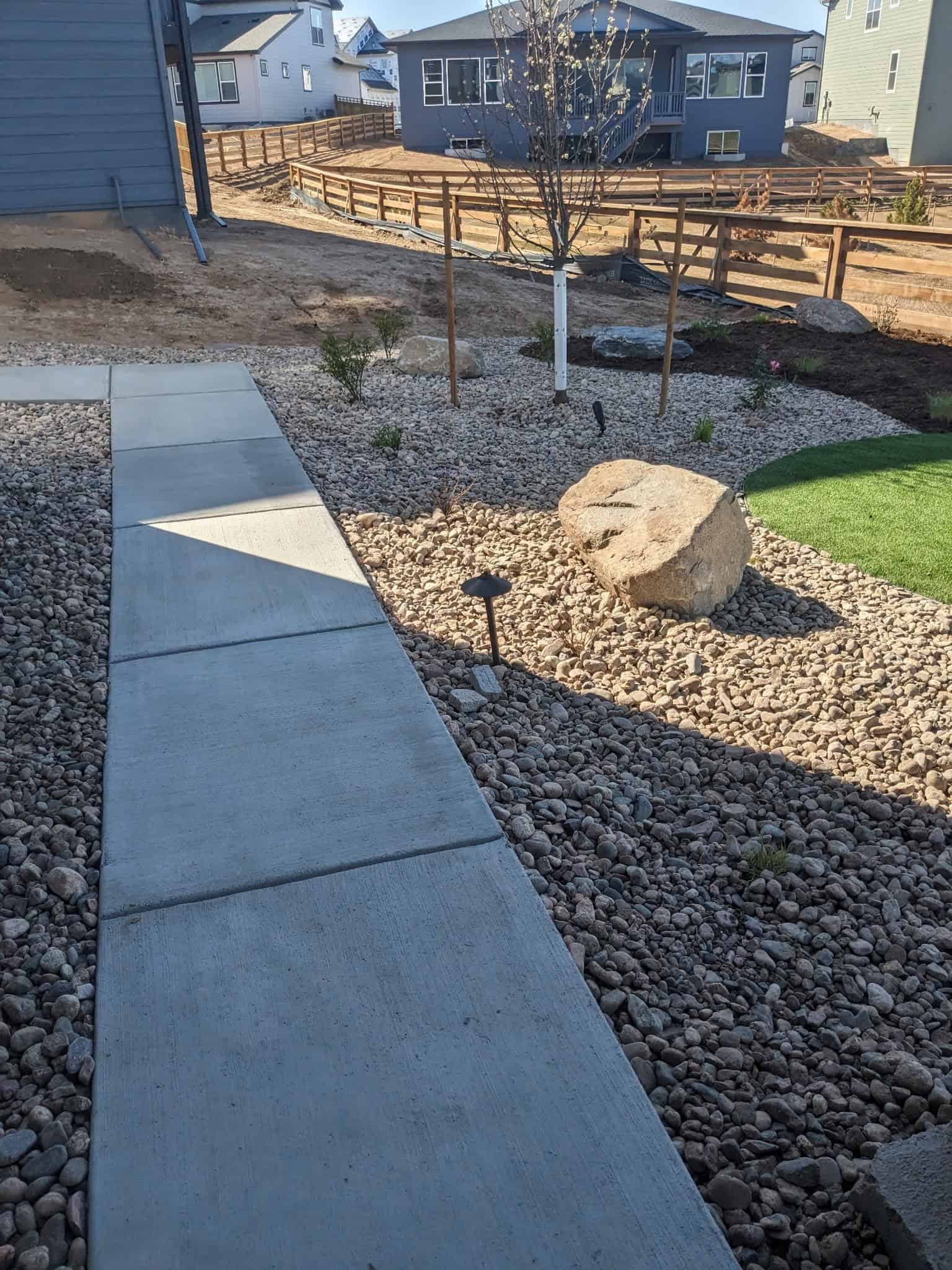
Some homeowners want less grass, not necessarily no grass. That is where a smarter hybrid yard comes in. By combining turf, boulders, mulch, decorative rock, plantings, and efficient irrigation, you can create a yard that still feels lush and intentional without forcing traditional lawn into spaces where it struggles.

That is exactly why we build a lot of projects around ColoradoScape landscaping. A yard can still feel full, high-end, and inviting without being tied to the old “wall-to-wall grass” mindset.

3. Better Hardscape and Layout Decisions

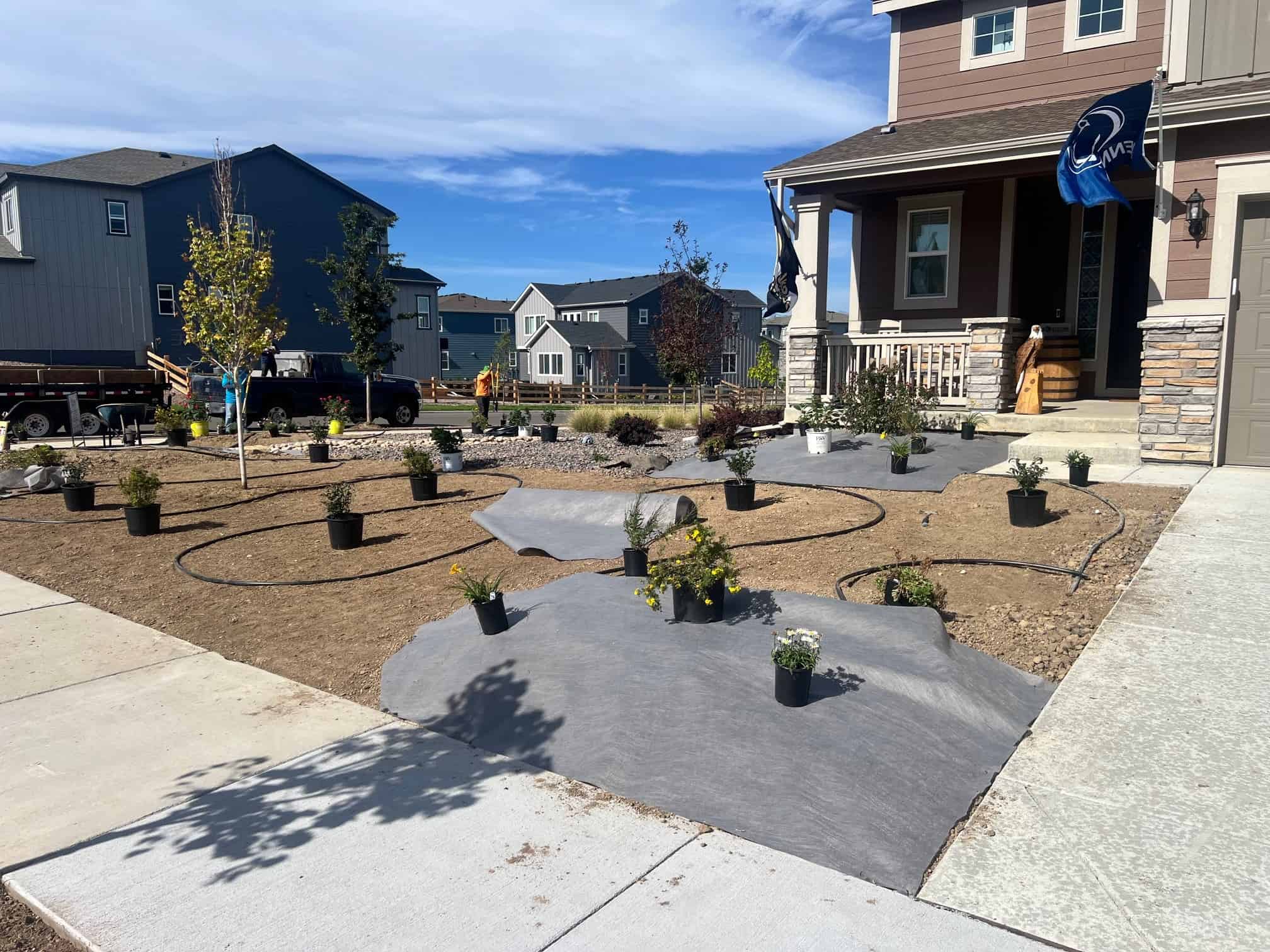
Sometimes the real problem is not the grass itself. It is that the yard was never laid out very well to begin with. A larger patio, a cleaner walkway, a better pet area, a more usable side yard, or a stronger overall plan can remove the pressure to keep forcing lawn into every square foot of the property.

That is one reason more homeowners are putting money into full landscape construction instead of throwing more money at patch repairs and lawn fixes every season.

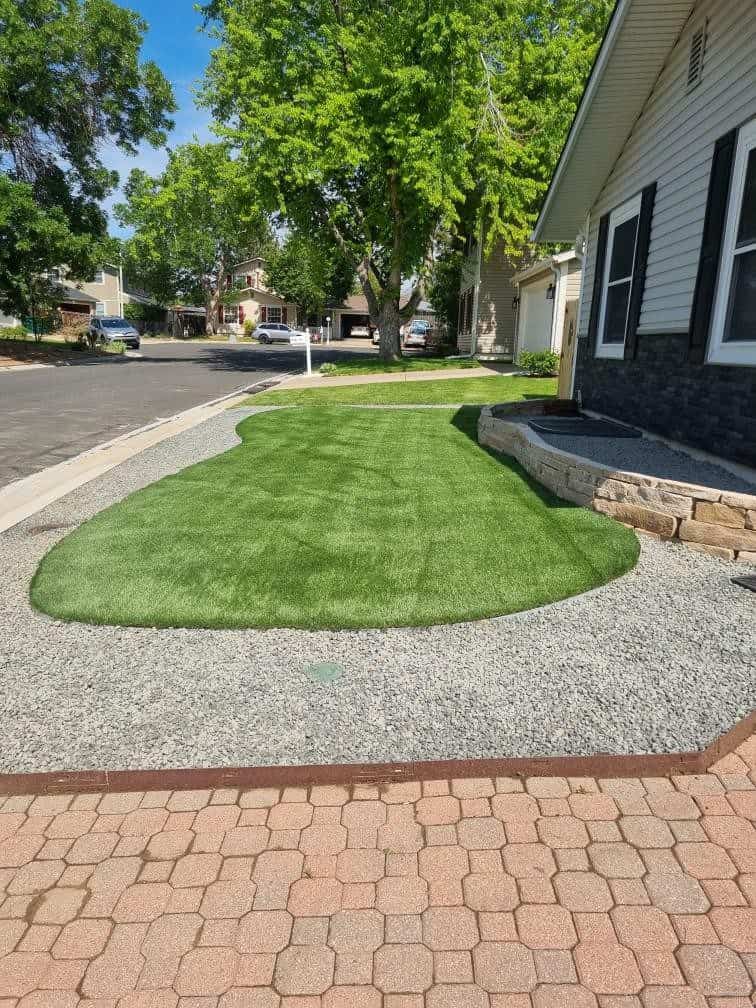
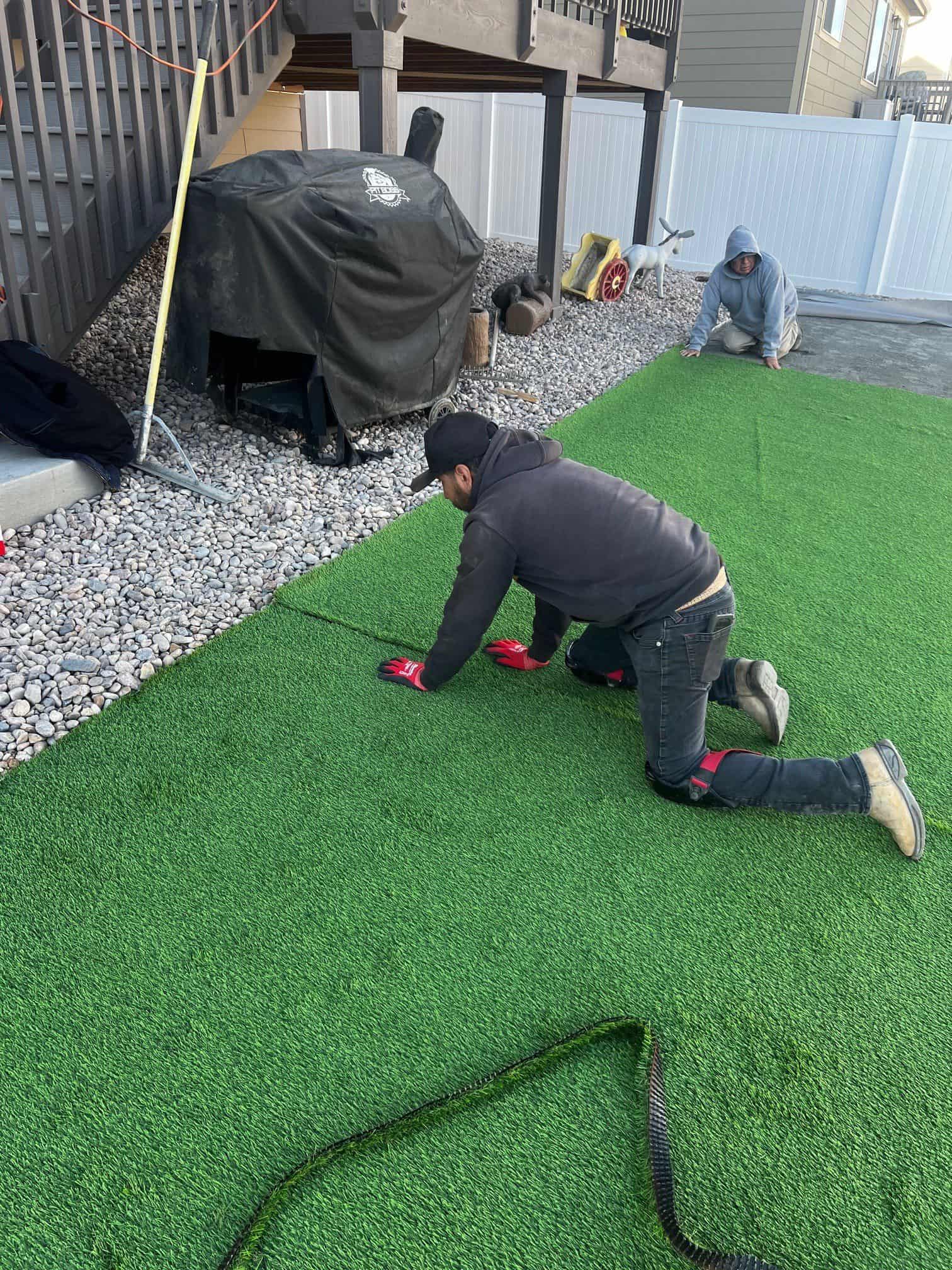
Artificial turf installed in a Colorado residential yard

Turf for Clean, Finished Spaces

For many homeowners, the appeal is simple. Turf gives the yard a cleaner, more consistent look and cuts out a lot of the frustration that comes with trying to revive failing grass.

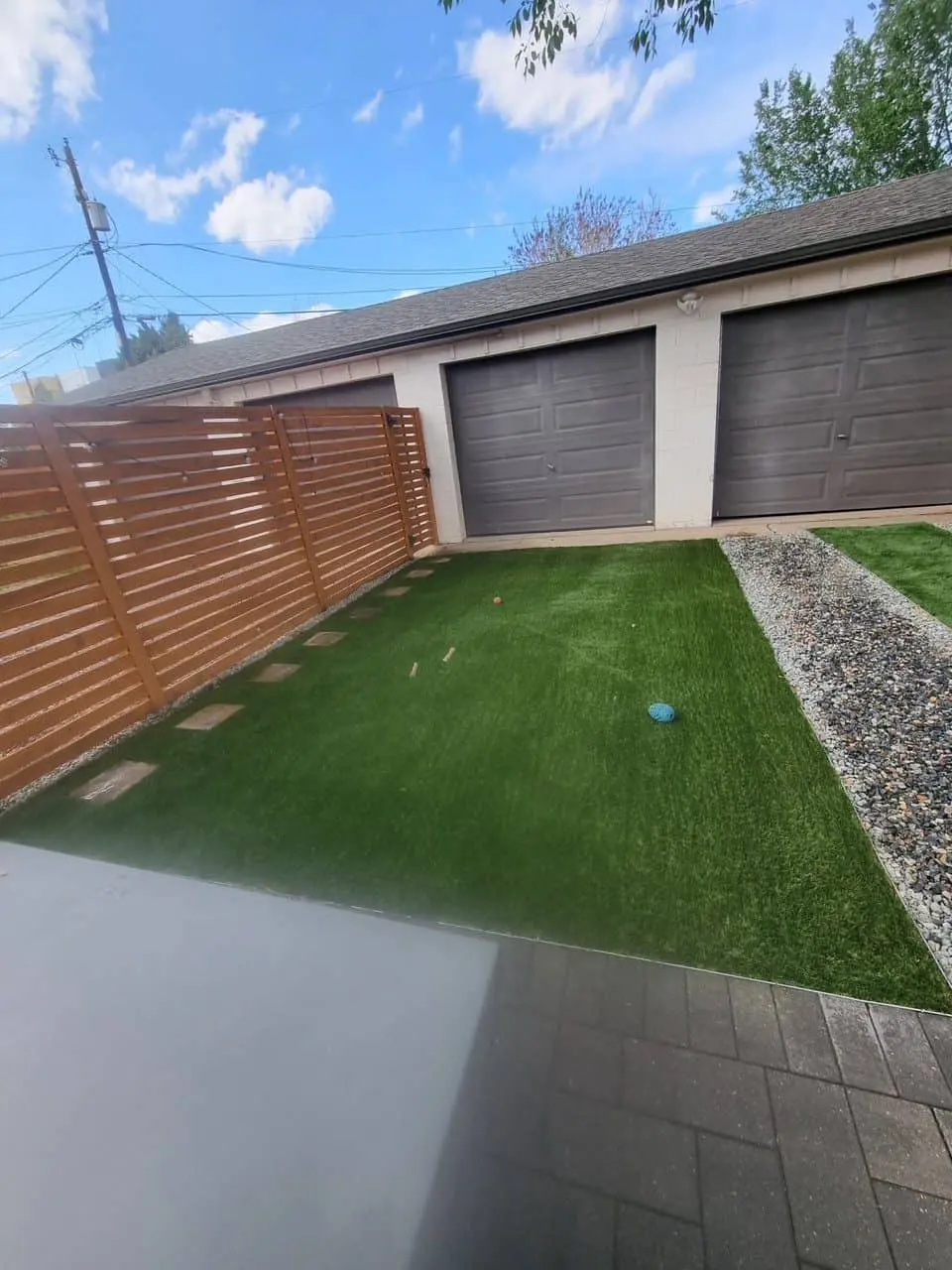
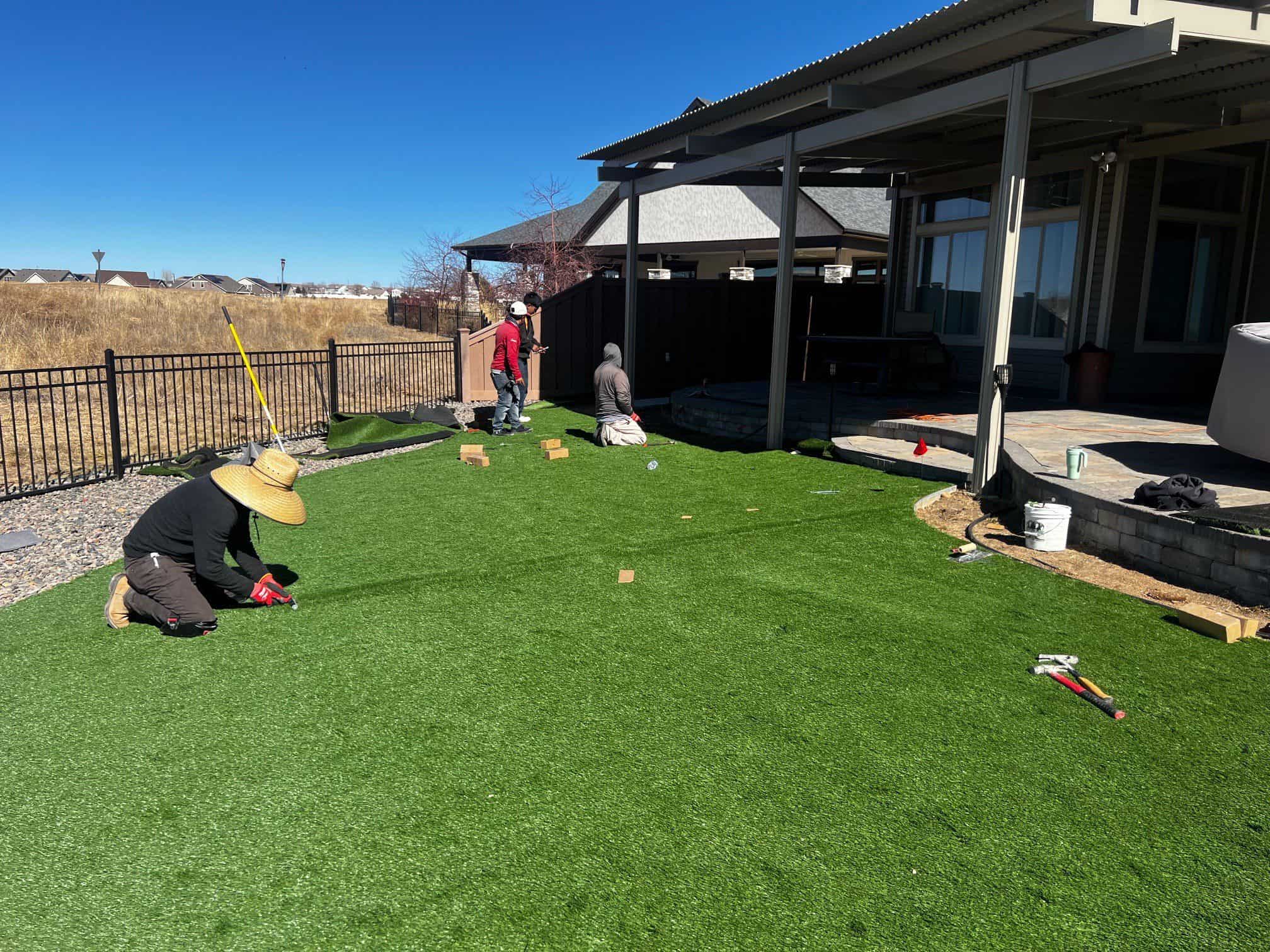
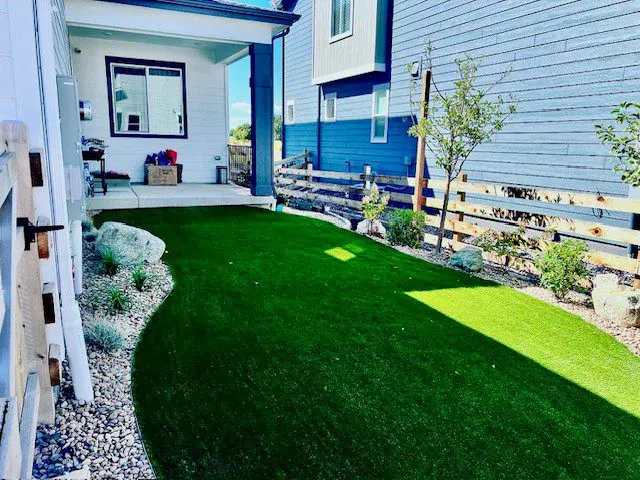
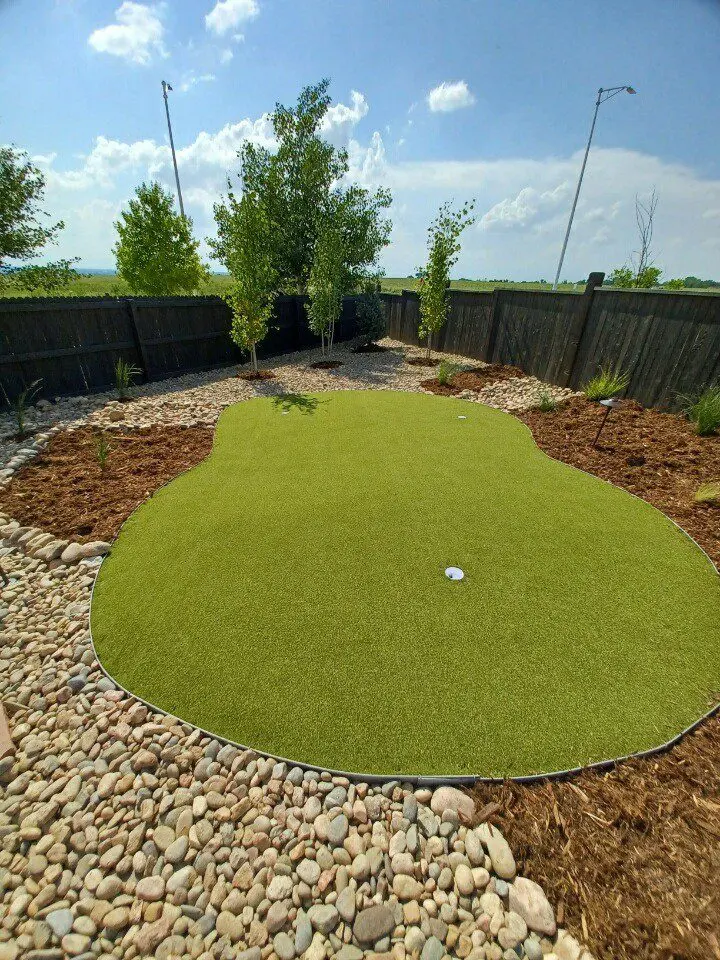
FRSR artificial turf project in Parker Colorado

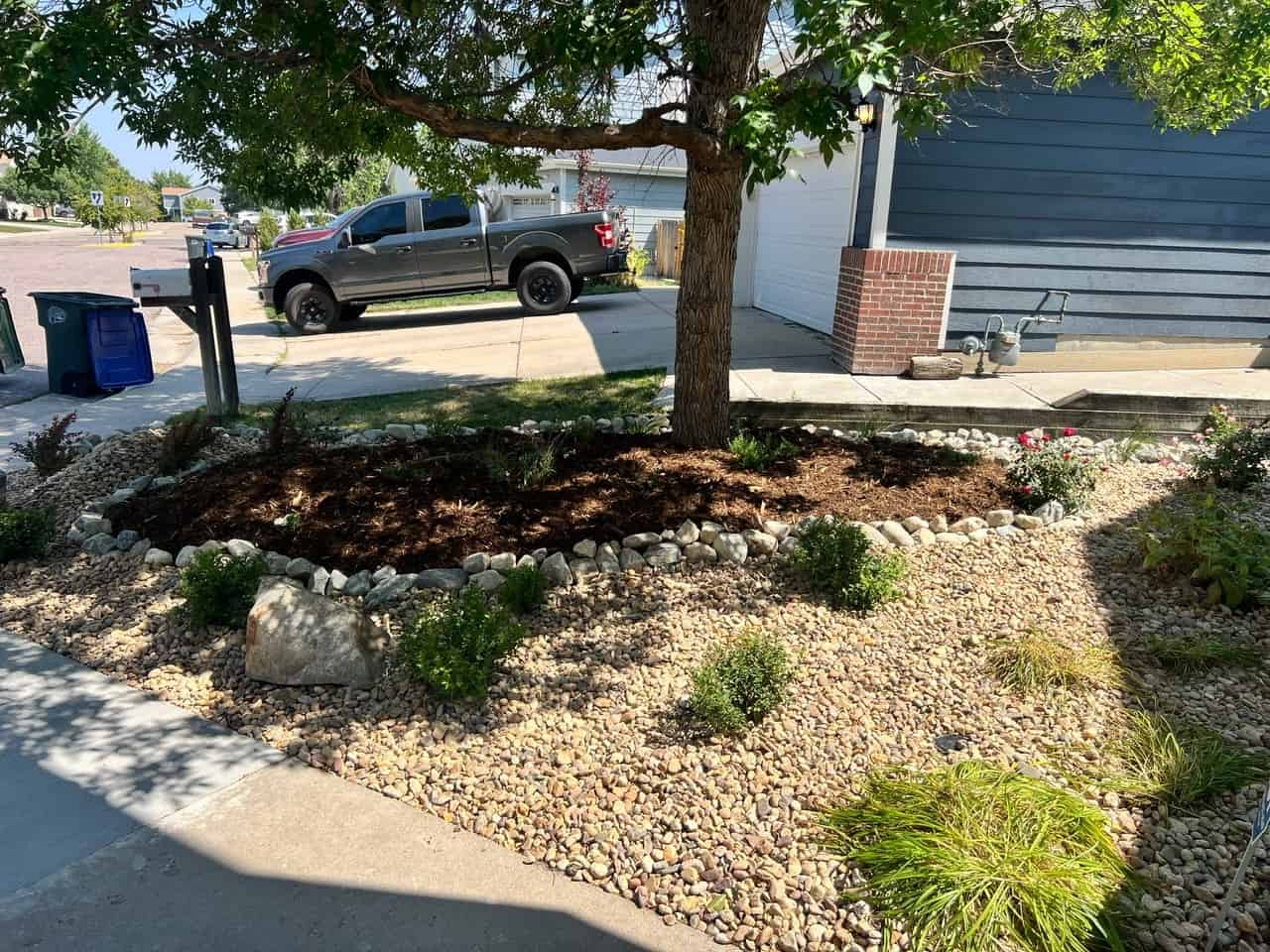
Hybrid Yards Are Getting More Popular

Colorado homeowners are leaning into a mix of turf, plantings, rock, and hardscape because it feels more realistic for the climate and the way people actually use their yards.

Why Artificial Turf Is Getting So Much Attention

A few years ago, a lot of people still pictured fake grass as something flat, shiny, and obviously artificial. That is not what most homeowners are looking at now. Better turf products have changed the conversation quite a bit, especially for people who care about curb appeal and want something that still feels natural in the landscape.

The other big difference is that homeowners are not just asking, “Does it look good?” They are asking, “Will this solve the problem I am dealing with right now?”

If the problem is muddy dogs, dead grass under play equipment, a front yard that always looks stressed, a narrow side yard that never fills in properly, or a backyard that gets pounded by traffic, turf starts to make a lot of sense.

Common reasons people move toward turf:

They are tired of bare spots. They are tired of dragging hoses around. They are tired of seeing their sprinkler system run and still feeling disappointed by the yard. They want something that looks finished more of the year and does not constantly need fixing.

For pet owners, that conversation gets even easier. Dog traffic is hard on natural grass, especially in smaller yards. A properly built pet-friendly turf area can make daily life a lot easier and cleaner. If that is your main issue, our artificial turf page is a good first stop before scheduling a consultation.

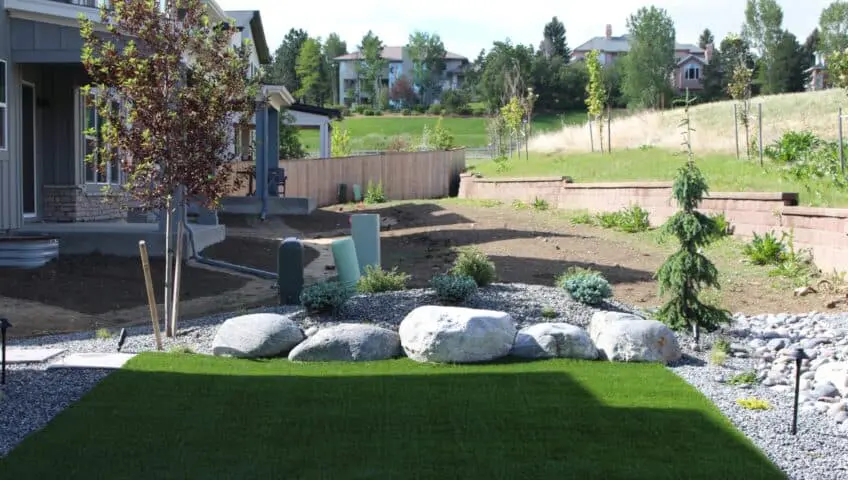
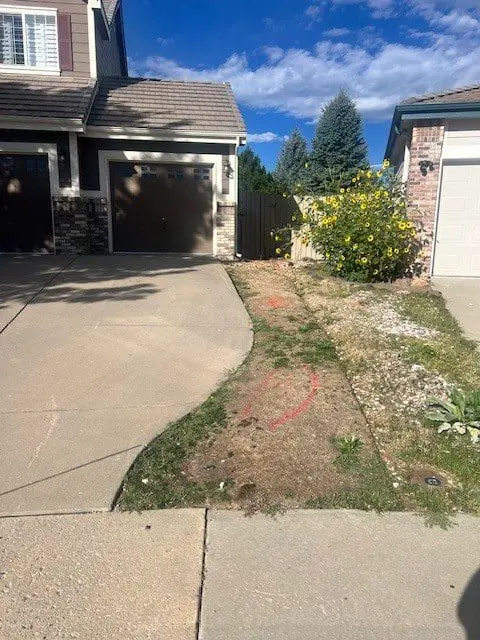
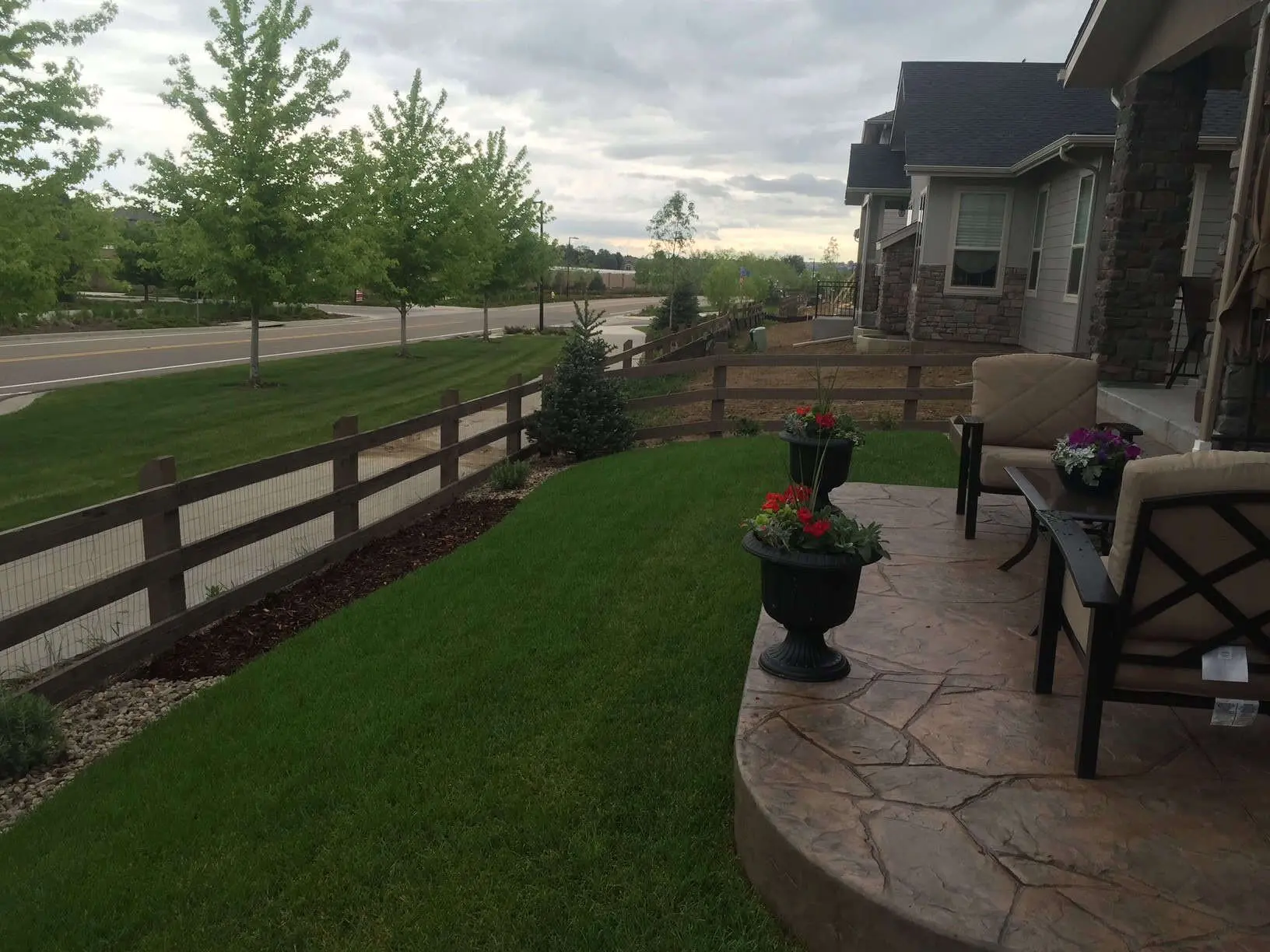
Colorado front yard conversion to artificial turf and clean landscaping
For smaller front yards and heavily used areas, turf can make the property feel cleaner and more finished without the constant cycle of repair and re-seeding.

What About Water Savings?

This is one of the biggest drivers behind the change, but it is worth talking about honestly. In Colorado, outdoor water use is a real issue, and local water providers have spent years educating homeowners on lower-water landscape strategies, Xeriscape planning, and smarter irrigation. Denver Water, Aurora Water, and EPA WaterSense are all worth reading if you want the broader water-use side of the conversation.

At the same time, not every “water-saving lawn” conversation is as simple as swapping one grass type for another. Colorado State University Extension has pointed out that irrigation management plays a major role in water use, not just turf species alone. That is a good reminder that landscape planning matters. CSU Extension’s turf guidance is helpful on that front.

That is part of why homeowners are increasingly looking at the whole yard instead of only the lawn. When you rethink the layout, irrigation, plantings, and usable areas together, you usually end up with a better result.

The Real Conversation Is Usually Maintenance

Water is a big part of the decision, but for a lot of homeowners, maintenance is what finally pushes them over the edge. They are tired of mowing. Tired of edging. Tired of reseeding dead areas. Tired of trying to keep lawn alive in places where it clearly does not want to be.

That is especially true for people with busy schedules, families, pets, rentals, second homes, or larger properties where they want the front of the house to look sharp without constantly working on it.

The best yards usually are not the ones with the most grass. They are the ones that were planned well for the lot, the sun exposure, the traffic, and the way the homeowner actually lives.

Is Replacing Grass the Right Move for Every Yard?

No. And that is worth saying clearly.

There are still plenty of properties where natural grass makes sense. There are also plenty of homes where the better answer is reducing the lawn, not eliminating it. A lot depends on the layout, how the space is used, how much sun it gets, what kind of maintenance you want to deal with, and how much of the property you actually want to irrigate and maintain.

In other words, the goal is not to force one answer on every yard. The goal is to build the right answer for your yard.

Where This Trend Is Showing Up Around the Denver Metro Area

We are seeing this conversation come up across the metro area, especially in places where homeowners want stronger curb appeal, lower maintenance, and a cleaner long-term landscape plan. If you are browsing local examples, take a look at some of our landscaping pages for Broomfield, Parker, Castle Rock, and Firestone.

You can also browse our completed projects to get a better feel for how these spaces come together in real homes instead of just in theory.

Modern Colorado backyard landscaping with turf and clean design
When turf is paired with a thoughtful layout, the whole yard usually feels more intentional, more usable, and easier to keep looking good.

Our Take

We do not think every homeowner needs to replace every bit of grass. We do think a lot of people are tired of pretending their current lawn is working when it clearly is not.

If your yard is costing you time, water, maintenance, and frustration, it makes sense to look at better options. For some homes, that means artificial turf. For others, it means a ColoradoScape approach. For others, it means reworking the whole layout so the yard finally fits the property and the homeowner instead of fighting both.

The point is not to chase a trend. The point is to stop wasting money on a landscape setup that is not giving you much back.

Thinking About Replacing Grass at Your Home?

If you are done fighting patchy lawn, mud, or constant upkeep, we can help you look at what actually makes sense for your space. Sometimes that is turf. Sometimes it is a better overall landscape plan. Either way, we can walk the property with you and give you a real-world recommendation.

Schedule Your Consultation
27 Mar 2026

What Colorado Homeowners Should Know About PFAS in Artificial Turf

FRSR Blog · Artificial Turf in Colorado

PFAS in Artificial Turf: What Colorado Homeowners Should Know

More homeowners are asking real questions about artificial turf, forever chemicals, and what is actually being installed in their yard. That is a good thing. When you are making an investment in your home, you should know what product you are buying, who is installing it, and whether there is documentation behind it.

By FRSR · Colorado’s Premier Outdoor Living Company
Premium artificial turf installation by FRSR in Colorado
Premium artificial turf installation designed and installed by FRSR for a clean, long-lasting Colorado yard.

Over the last few years, a lot of artificial turf companies have tried to sell turf like it is all the same. It is not. Some products look better. Some perform better. Some have better technical backing. And now, with more attention on PFAS, homeowners are starting to look past the sales pitch and ask smarter questions.

We think they should.

At FRSR, we have never wanted to be the cheap turf company. That has never been our lane. We build premium outdoor spaces, and that means the products we use matter just as much as the workmanship behind them. If a homeowner asks what is in the turf, whether documentation exists, or why one manufacturer is better than another, that is not a nuisance question. That is exactly the kind of question they should be asking.

When it comes to artificial turf, price matters, but product quality, documentation, and who is installing it matter a whole lot more.

What Are PFAS, in Plain English?

PFAS stands for per- and polyfluoroalkyl substances. Most homeowners are not looking for a chemistry lesson, and they should not need one. The simple version is that PFAS are a large group of man-made chemicals that have become a bigger topic in all kinds of products and industries.

That is why you are now hearing them called “forever chemicals.” People are paying more attention to what materials are around their home, what products are being used, and whether manufacturers can back up what they are selling.

In our opinion, that is a healthy shift. Homeowners should expect more transparency, not less.

Why Colorado Homeowners Are Hearing More About This

In Colorado, homeowners are already thinking differently about their yards. Water costs are up. Traditional lawns are harder to justify. More people want clean, low-maintenance outdoor spaces that still look high-end and finished. Artificial turf has become a strong solution for a lot of homes, but now people are doing more homework before they move forward.

That means they are not only asking how turf looks or how much it costs. They are also asking about the product itself. Is it premium? Is it documented? Is it backed by a reputable manufacturer? Can the contractor explain what they are installing without getting vague?

Those are fair questions, and frankly, the companies worth hiring should be ready to answer them.

Clean FRSR artificial turf project in a Colorado residential yard
A clean, finished FRSR turf installation designed to look natural and work with the rest of the landscape.

Why Documentation Matters When Choosing Artificial Turf

This is where the conversation separates premium turf systems from cheaper options.

Anybody can tell you their turf is great. Anybody can tell you theirs looks natural. Anybody can try to beat the next guy on price. What matters is whether there is real information behind the product and whether the contractor can walk you through it without dancing around the question.

That is one reason FRSR uses premium FieldTurf systems. The documentation we received states that FieldTurf landscape fibers were tested for 30 PFAS compounds, with none detected above reporting limits. That is the kind of technical backing homeowners should feel good about seeing.

It does not mean you stop thinking. It means you are not buying blind.

What we believe at FRSR

If a contractor cannot clearly explain the turf product they are installing, where it fits, and what documentation supports it, that should be a red flag. Homeowners deserve better than a vague answer when they are making a real investment in their yard.

Not All Turf Contractors Approach This the Same Way

This is where experience and standards matter.

Some contractors are really just trying to get in and out with the lowest number possible. That usually means the conversation starts and ends with price. That is not how we approach projects. We look at drainage, grade, how the turf meets concrete, whether there are dogs, how much traffic the area gets, whether it is a front yard or side yard, and how the whole thing needs to feel once it is done.

The product is part of that. The base is part of that. The installation is part of that. The finished look is part of that. It all matters.

We want homeowners to feel like they hired the company that actually knows what they are doing, not the company that simply had the cheapest square-foot number on a bid sheet.

What to Ask Before You Buy Artificial Turf

If you are comparing turf companies right now, these are good questions to ask:

  • What turf product are you proposing, and why?
  • Is there documentation available from the manufacturer?
  • How is the base built for drainage and long-term performance?
  • What product do you recommend for pets, front yards, or heavy use?
  • How will the turf transition into concrete, steppers, rock, and planting beds?
  • Are you just installing turf, or are you designing the whole outdoor space?

A good contractor should not get defensive about those questions. They should be able to answer them clearly.

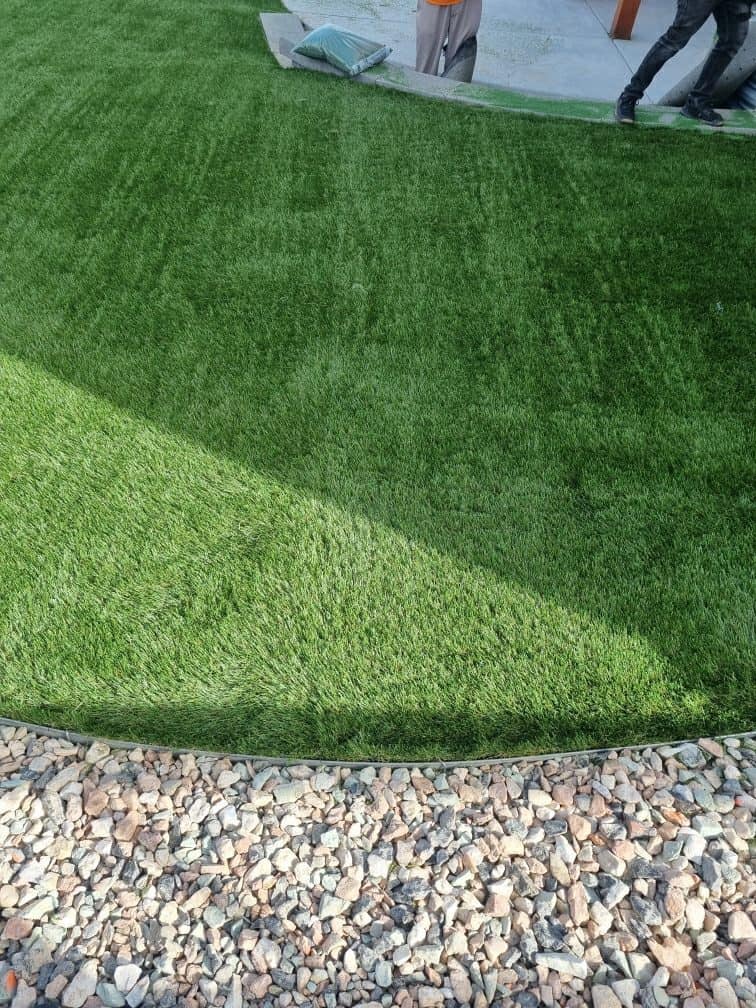
Close-up detail of premium artificial turf used by FRSR
Close-up of premium turf detail. Product quality matters, but so does the company standing behind the installation.

Why FRSR Is a Strong Choice for Homeowners Who Care About Product Quality

We are not trying to sell ourselves as a laboratory. We are a contractor. But we are the kind of contractor who cares what goes into the yard, how it is installed, and how the finished project reflects on our name.

FRSR has been building outdoor spaces in Colorado for decades. We know how to tie artificial turf into stamped concrete, steppers, retaining walls, pet areas, lighting, ColoradoScape planting, and full outdoor living construction. We also know that homeowners want more confidence now than they used to, and they should.

That is why we are leaning into this conversation instead of avoiding it. We would rather be the company that can explain the product, point to documentation, and build the project correctly than the company trying to get by on a cheap number and a generic sales pitch.

Where to Learn More

If you are researching artificial turf in Colorado and want a deeper look at this specific topic, we put together a dedicated page here:
PFAS-Free Artificial Turf in Colorado.

If you want to see the broader picture of how we design and install premium turf systems, visit our main
Artificial Turf page.

Both pages are meant to help you make a better decision, not pressure you into one.

Looking for a Turf Contractor Who Actually Knows the Product?

If you are considering artificial turf for your Colorado home and want a premium installation backed by real experience, solid product guidance, and a clean finished look, FRSR would be glad to help.

07 Mar 2026

Artificial Turf vs Natural Grass in Colorado: What Homeowners Should Know

If you have lived along the Front Range for any length of time, you already know keeping a lawn looking good in Colorado is not always easy. Between dry summers, rising water costs, pet damage, and the amount of time it takes to stay on top of mowing, irrigation, fertilizer, and repairs, many homeowners eventually start asking the same question: artificial turf vs natural grass in Colorado — what really makes the most sense?

Many homeowners across the Denver Metro and Front Range eventually face the same question: is artificial turf or natural grass better for the way they actually use their yard?

At FRSR Landscape & Outdoor Living, this is a conversation we have all the time. A lot of homeowners I speak with are wanting turf for a lot of reasons. High water bills are one of them. Another is the time they get back to be with family, travel, or just enjoy life instead of constantly taking care of a lawn. Turf has also become a great option for pet owners because they are tired of dealing with muddy areas, dead spots, and that never-ending cycle of repairs.

Artificial turf backyard installation by FRSR in the Colorado Front Range
Artificial turf installation completed by FRSR for a residential backyard along Colorado’s Front Range.

That said, I am still an old school landscaper at heart. I love natural grass. I love the feel of it, the smell of it, and the satisfaction that comes with a healthy, well-kept lawn. But I also understand that as time goes on, the costs of maintenance, water, fertilizer, and repairs can get pretty crazy. For many homeowners, especially those with pets or yards that are no longer being used the same way they were when the kids were younger, artificial turf starts to look like a very practical option.

Why Natural Grass Can Be a Challenge in Colorado

Colorado is beautiful, but it is not always easy on lawns. Along the Front Range, homeowners deal with intense sun, low humidity, clay-heavy soils, dry winds, and long stretches without much moisture. Even a lawn that looks good in spring can start struggling once summer heat sets in.

Maintaining natural grass here often means staying on top of:

  • Frequent watering
  • Fertilization and weed control
  • Aeration and overseeding
  • Irrigation repairs and adjustments
  • Repairing damage from dogs and heavy use

For general lawn and water-use guidance in Colorado, the Colorado State University Extension and the EPA WaterSense program both provide useful information on water-conscious lawn care and landscape planning.

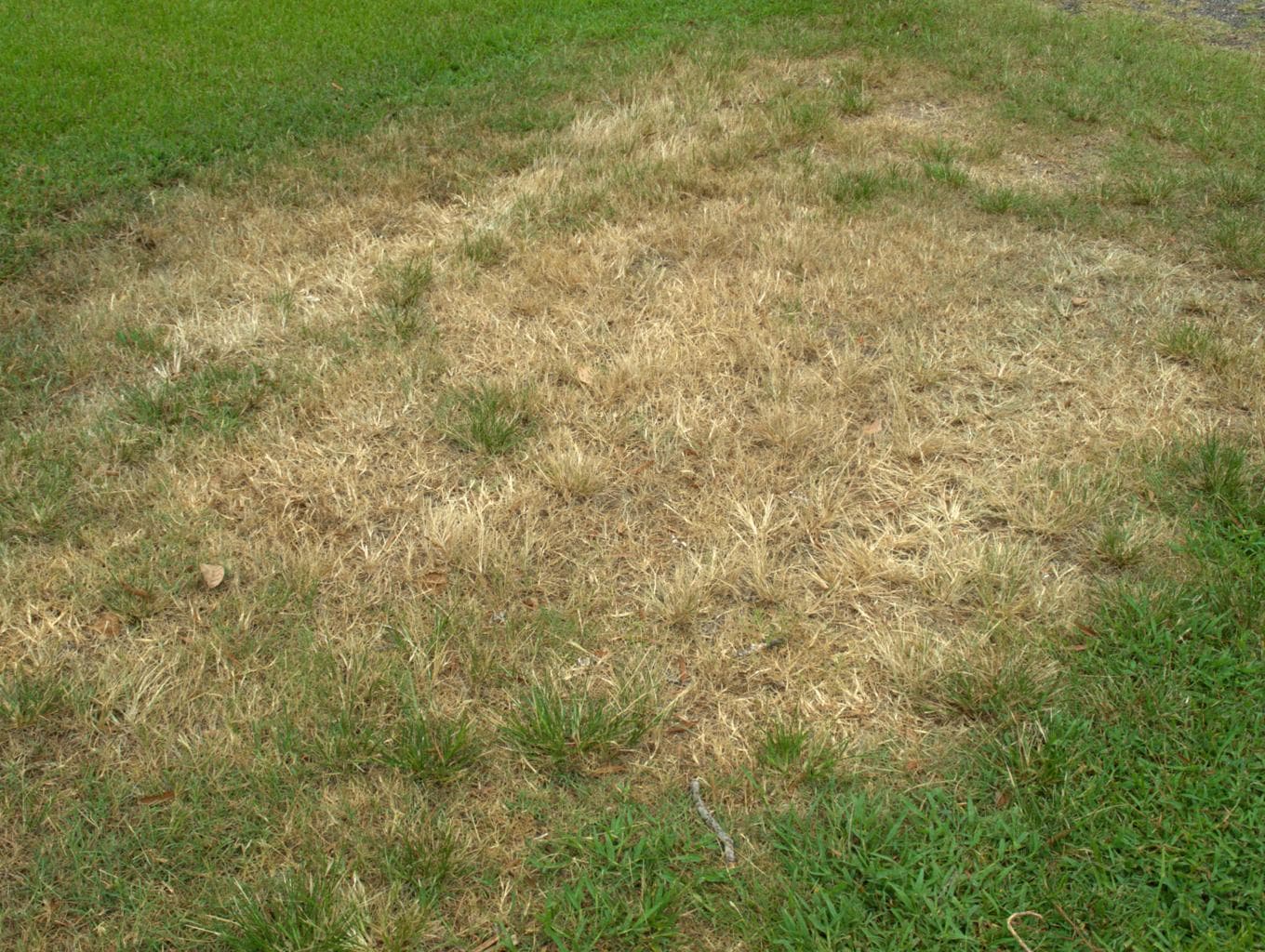
Dry patchy natural grass lawn during Colorado summer drought
Dry summers, intense sun, and heavy use can quickly damage natural grass lawns in Colorado.

For many homeowners, that is where the frustration starts. They are paying to water, paying to maintain, and still not getting the kind of lawn they want.

Why Many Homeowners Are Choosing Artificial Turf

A lot of homeowners today are not just looking for something green. They are looking for something that stays clean, usable, and attractive without constantly fighting dead spots, mud, irrigation issues, and maintenance costs.

That is where turf has become so appealing. The biggest reasons we hear include:

  • Lower water usage
  • Less maintenance
  • No mowing or fertilizing
  • Cleaner yards for pets
  • More time back for family, travel, and other activities
Realistic artificial turf lawn installed for a Denver Metro backyard
Modern artificial turf systems provide a clean, low-maintenance lawn option for Denver-area homes.

For many families, the biggest value is not just that turf looks good. It is the fact that they are no longer spending weekends fixing the yard. Instead of chasing lawn problems, they get time back.

The Biggest Pushback We Hear About Turf

The most common concern we hear is heat. Homeowners understandably ask about surface temperature when the weather gets over 95 to 100 degrees.

I understand that concern, but I usually tell people the same thing: I would hope nobody is leaving their dog outside for long periods in those temperatures no matter what material is in the yard. Grass, concrete, pavers, and turf can all get hot in extreme summer weather. Common sense still matters.

That concern is real, but for many homeowners it does not outweigh the water savings, lower maintenance, and durability turf offers the rest of the year.

Natural Grass Still Has a Place

Even with all the benefits of turf, this is not me saying natural grass is wrong. There are still yards where natural lawn absolutely makes sense. A healthy, well-maintained lawn can still be a beautiful part of a landscape, especially on larger properties with the right irrigation coverage and homeowners who enjoy taking care of it.

Healthy natural grass lawn in Colorado residential landscape
A healthy natural lawn can still work well in some Colorado yards with proper irrigation and maintenance.

That said, I also know from personal experience that there comes a point when many people start looking at their yard differently. My kids are grown. A big grass lawn does not always serve the same purpose it once did. When it becomes mostly a space for the dogs, and you are constantly fixing what they tear up, you start asking whether it is really worth the water, time, and upkeep.

Honestly, I am leaning that direction myself. I love real grass, but I am also tired of fixing it for the dogs because it becomes a never-ending cycle. Knowing I could save on water, cut maintenance way down, get time back with my wife or older kids, and still have a great surface for the dogs is very appealing.

When Pets and Heavy Use Start Winning the Battle

One of the biggest turning points for many homeowners is when pets start doing real damage to the lawn. Dogs can wear out the same paths, create muddy areas, and leave dead spots that seem to come back no matter how many times you reseed or repair them.

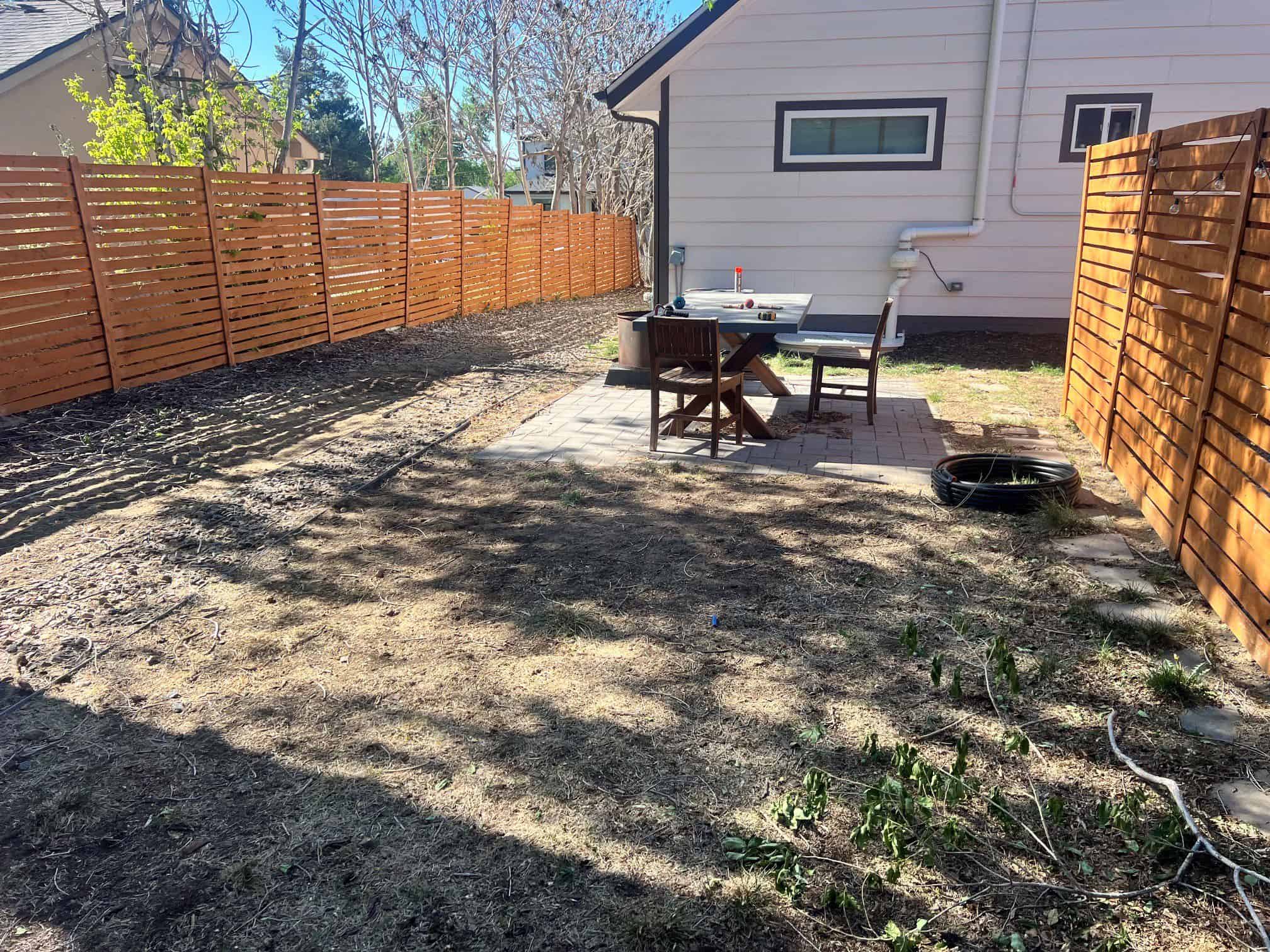
Before artificial turf installation showing worn natural grass lawn in a Colorado backyard
Before installing artificial turf, this Colorado yard struggled with worn grass areas caused by heavy use.

That is why turf has become such a strong option for pet owners. Instead of constantly trying to bring a lawn back to life, they can move to a cleaner, more durable surface that is easier to live with day to day.

Artificial turf backyard installation completed by FRSR in Green Valley Ranch Colorado
After installation by FRSR, the yard became a clean, durable space that holds up well to pets and everyday use.

Projects like this are becoming more common across the Denver metro area and the Front Range, where homeowners want a yard that stays usable without constant lawn repairs.

What Proper Turf Installation Should Include

Artificial turf is only as good as the installation underneath it. A quality system is not just a green surface rolled out over the dirt. It needs proper prep work, drainage planning, base materials, and attention to detail.

A good turf installation should include:

  • Proper excavation
  • Compacted base materials
  • Drainage planning
  • Clean seam work
  • Professional finishing details
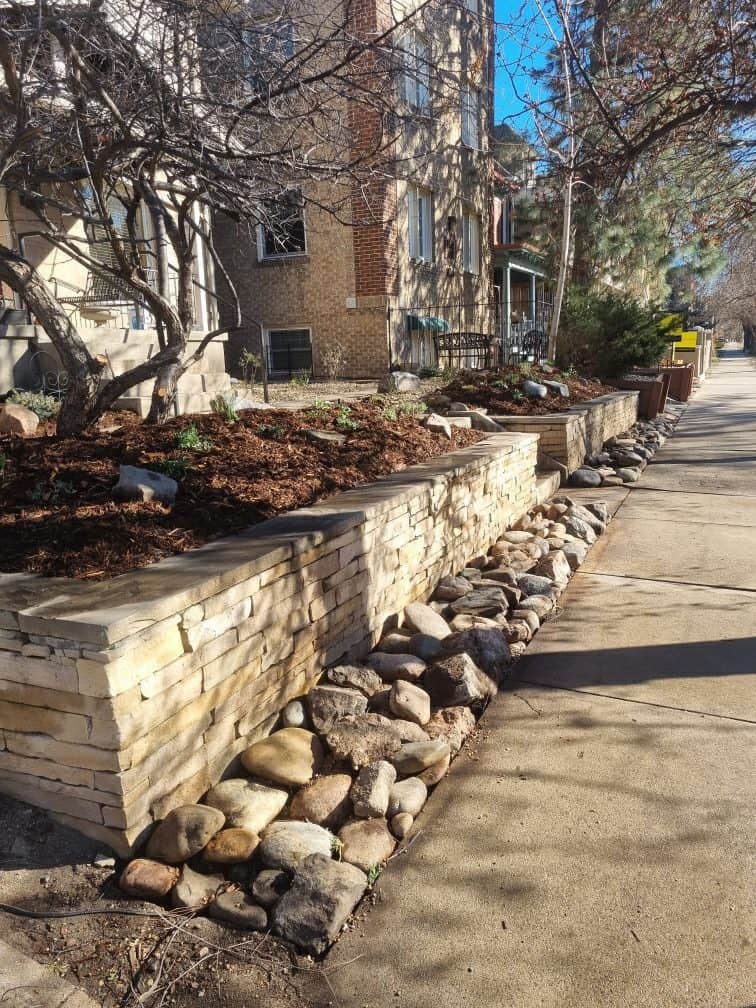
Artificial turf landscape design installed in a Colorado residential backyard
Artificial turf integrated into a residential landscape design in Colorado.

That is one reason homeowners have very different experiences with turf. A properly installed system can look great and perform well for years. A shortcut installation is usually where problems begin.

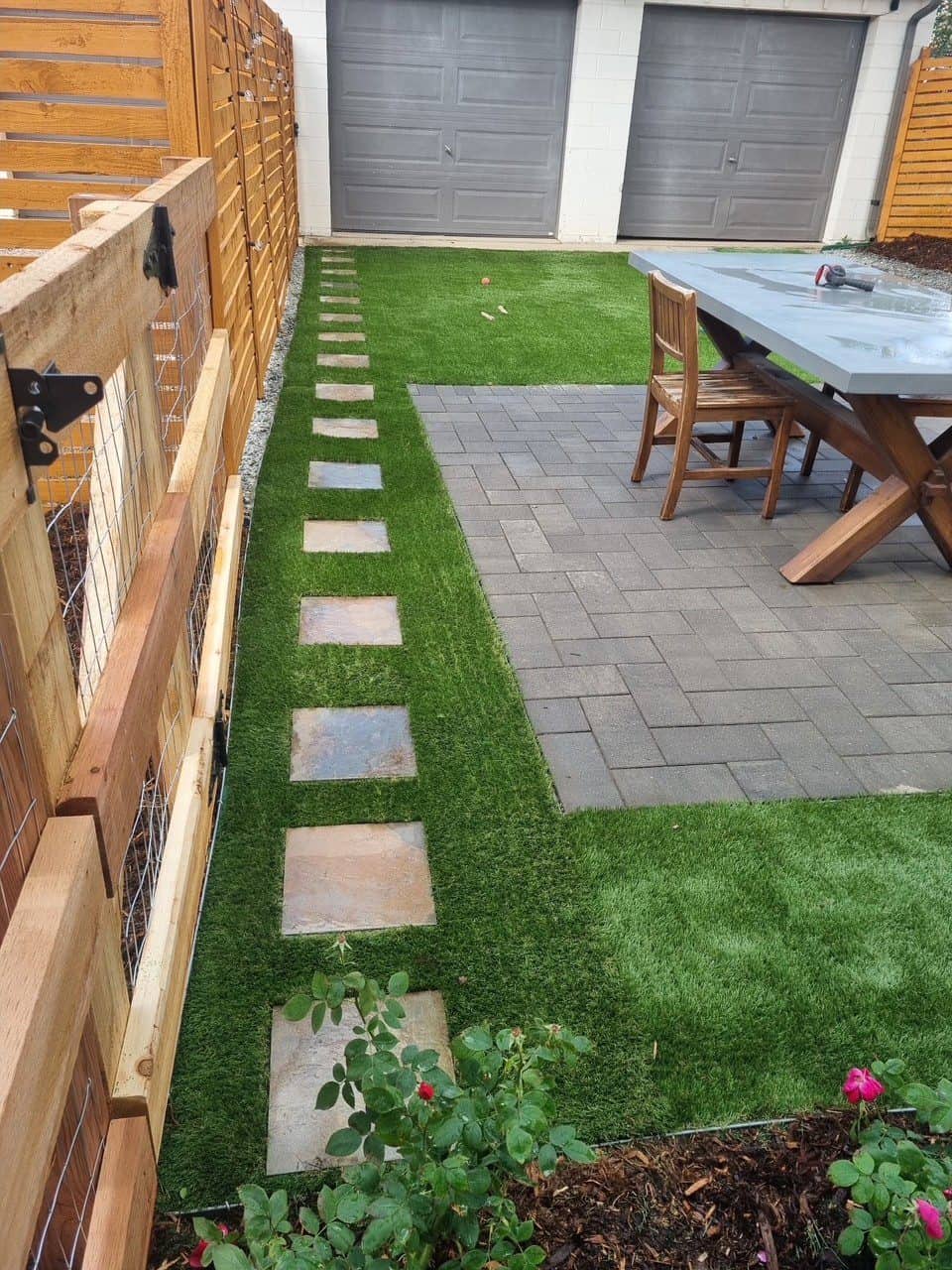
Artificial turf lawn installed next to patio in Colorado outdoor living space
Artificial turf pairs well with patios and outdoor living spaces across the Front Range.
High quality artificial turf product used for Colorado residential landscaping
Premium artificial turf products designed for durability in Colorado landscapes.

If you are considering turf for your home, you can see examples of our work on our Artificial Turf page.

Which Is Better: Artificial Turf or Natural Grass?

There is no one-size-fits-all answer. It depends on how you use your yard, how much maintenance you want to deal with, whether pets are a major factor, and how you feel about ongoing water use and upkeep.

For some homeowners, natural grass is still the right fit. For others, especially in smaller backyards, pet runs, sunny problem areas, or places where water and maintenance are becoming a frustration, turf can make much more sense.

In many cases, the best solution is not one or the other across the whole property. A lot of our best projects combine turf with patios, planting beds, and water-wise design elements to create a more functional outdoor space.

Explore More FRSR Outdoor Living Projects

To see more of what we do, visit these pages:

Final Thoughts

I still appreciate everything about a real grass lawn. But I also understand why so many homeowners are rethinking that choice in Colorado.

When water bills are high, maintenance keeps piling up, pets are hard on the yard, and your time becomes more valuable, artificial turf starts to become a very practical option. It is not the right answer for every property, but for many Colorado homes it is absolutely worth considering.

If you are weighing the pros and cons for your own yard, FRSR would be happy to walk you through the options and help design something that fits the way you actually live.


Frequently Asked Questions

Is artificial turf a good option for Colorado homes?

For many Colorado homes, yes. Artificial turf can be a great option where water usage, maintenance, pet durability, and year-round appearance are priorities. It is especially popular in smaller backyards, pet areas, and yards that struggle to keep natural grass healthy.

Does artificial turf save water in Colorado?

Yes. One of the biggest reasons homeowners choose turf is to reduce outdoor water usage. In Colorado’s dry climate, that can make a major difference over time.

Does artificial turf get hot in summer?

Like most outdoor surfaces, turf can get warm during extreme summer temperatures. That said, common sense matters no matter what surface you have when temperatures climb into the upper 90s or higher.

Is natural grass still worth it in Colorado?

Natural grass can still be worth it for homeowners who enjoy the look and feel of a living lawn and are willing to stay on top of watering, fertilization, mowing, and repairs. The challenge is that it usually takes more work and expense than many people expect.

What is the best lawn option for dogs?

It depends on the yard and the dogs, but turf is often a strong option because it avoids the muddy areas and dead spots that are so common with heavy pet traffic.