
Stamped Concrete vs. Pavers: What’s Best for Colorado Yards?
When designing the perfect outdoor space, one of the biggest decisions homeowners face is choosing between stamped concrete and pavers for patios, walkways, and other hardscaping features. Both options offer unique advantages, but which is better suited for Colorado’s unique climate and lifestyle?
At FRSR, we’ve installed hundreds of custom patios and hardscapes across the Front Range. Let’s break down the pros and cons of each option — and help you decide which surface is best for your Colorado yard.
1. Appearance and Design Flexibility
Stamped Concrete:
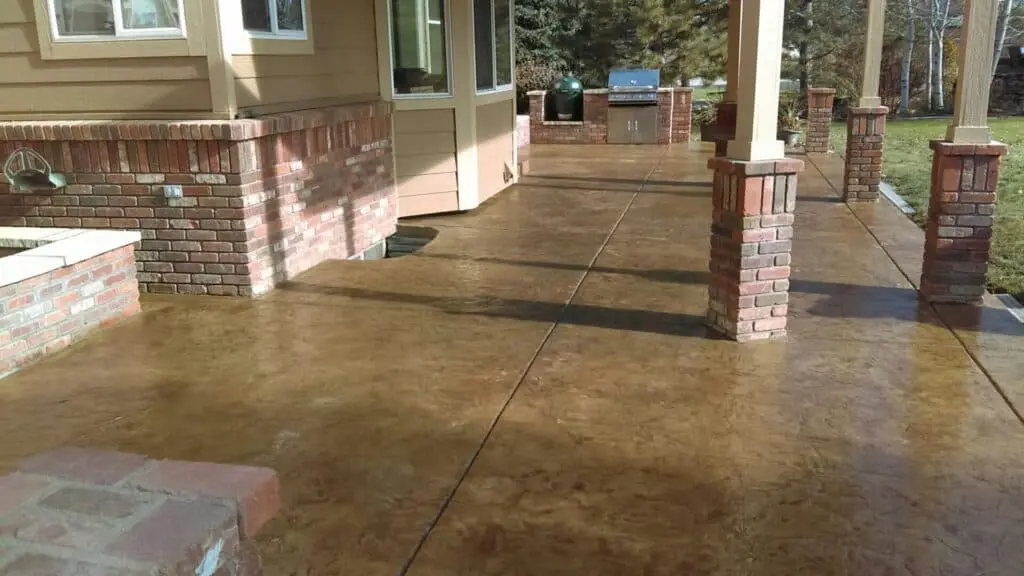
Stamped concrete allows for impressive customization. With the right pattern and texture, you can mimic the look of stone, brick, or even wood — all in a single pour. At FRSR, we offer a full range of stamped concrete patterns and finishes to match your design goals.
Pavers:
Pavers come in individual units, giving your surface a segmented look. They offer a wide selection of shapes, colors, and materials like concrete, brick, or natural stone. If you prefer a more traditional or old-world aesthetic, pavers may be the better fit.
2. Durability in Colorado’s Climate
Stamped Concrete:
Once sealed, stamped concrete forms a solid surface that holds up well to Colorado’s freeze-thaw cycles. FRSR uses high-strength concrete mixes and professional sealers to reduce cracking and wear over time.
Pavers:
Pavers naturally flex and shift slightly, which makes them excellent for freeze-thaw conditions. If one becomes damaged or stained, you can replace just that piece — a big advantage in the long run.
3. Maintenance and Longevity
Stamped Concrete:
Requires resealing every 2–3 years to protect the color and finish, especially from UV exposure and snow melt. Hairline cracks can appear over time but are typically cosmetic.
Pavers:
Minimal maintenance is required, though weeds or moss can grow in the joints without proper sand or polymeric jointing material. Pavers typically last 25–50+ years with proper installation.
4. Installation Timeline and Cost
Stamped Concrete:
Typically quicker to install than pavers since it’s poured and stamped in place. At FRSR, we can often complete stamped concrete patios in a matter of days, depending on size and conditions.
Pavers:
More labor-intensive, as each unit is placed individually. The base prep is critical and time-consuming. That said, they can be worth the investment for long-term flexibility and repairs.
5. Best Use Cases for Each
- Choose Stamped Concrete if you want:
- A seamless, high-end look
- Custom textures and colors
- Quicker installation
- A cost-effective large patio or driveway surface
- Choose Pavers if you want:
- Maximum durability with minimal cracking
- Easier long-term repairs
- A classic or modular design
- Enhanced drainage through joint spacing
FRSR’s Recommendation
There’s no one-size-fits-all answer — it depends on your yard, goals, and budget. At FRSR, we install both stamped concrete and pavers, and we’ll help you evaluate the best material for your project. Our team will factor in slope, sun exposure, usage, drainage, and how each option integrates with the rest of your landscape design.
Let’s Build Something Beautiful
Ready to transform your backyard or outdoor living space? Whether you’re drawn to the elegant finish of stamped concrete or the modular strength of pavers, FRSR will bring your vision to life with high-quality craftsmanship and long-lasting results.
Schedule a free consultation today to explore your options.
Let’s Build Something Beautiful Together

Whether you’re dreaming of a stamped patio, paver walkway, or full outdoor kitchen, our expert team at FRSR is here to help you create something truly special.